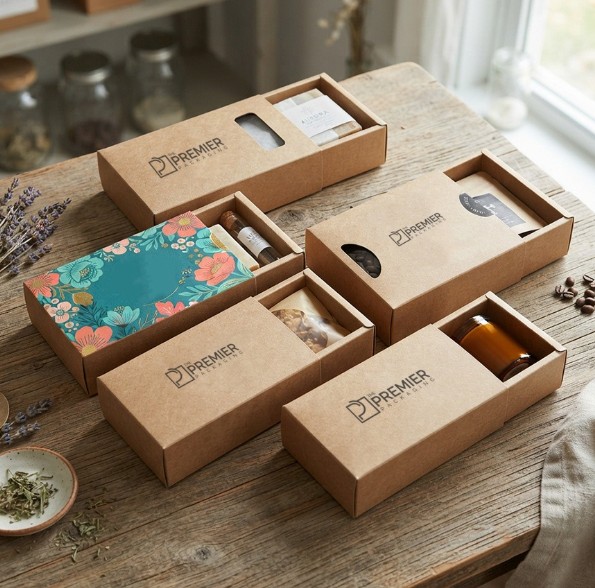
Walk into pretty much any coffee shop, boutique, or small skincare store these days, and you’ll see it. That warm, brownish paper bag or box, sometimes with a simple stamped logo, sometimes with nothing on it at all except the natural texture of the material itself. Kraft packaging is everywhere right now, and it’s not really slowing down.
A few years back, Kraft paper had kind of a plain, budget reputation. It was what you used when you didn’t want to spend much on packaging, not something you’d choose on purpose for a premium product. That’s flipped almost completely. Now brands that could afford the flashiest packaging on the market are choosing Kraft instead, and there are actual reasons behind that shift, not just a passing trend.
People Are Paying Attention to What Packaging Is Made Of
Sustainability isn’t a niche concern anymore. Customers, especially younger ones, actually check what a product’s packaging is made of before deciding how they feel about a brand. Plastic-heavy packaging, glossy laminated boxes, anything that screams “this is going straight to a landfill” tends to leave a bad taste, even if the product inside is great.
Kraft paper solves a lot of that concern in one move. It’s recyclable, often biodegradable depending on the finish used, and made through a process that’s generally less resource-intensive than many alternatives. Brands don’t have to explain much when they use it. The material itself does a lot of the talking.
It Looks Intentional, Not Cheap Anymore
This is the part that surprises people who remember Kraft paper’s old reputation. Somewhere along the way, that plain brown color stopped reading as “cheap” and started reading as “honest” or “unprocessed.” There’s a rawness to it that feels deliberate rather than like a cost-cutting decision.
A few things about Kraft packaging’s look tend to stand out:
- The natural, earthy tone works well with minimalist branding
- Texture variation gives it a handmade feel, even when it’s mass-produced
- It pairs easily with simple black or white printing without looking busy
Brands selling anything from coffee to candles to clothing have leaned into this look specifically because it doesn’t compete with the product. It sits in the background and lets the branding, or the product itself, do the work.
It’s Genuinely Versatile Across Industries
Kraft isn’t stuck being one type of packaging either. It shows up as shipping boxes, retail bags, gift boxes, mailers, and, in some cases, food packaging. That flexibility is a big part of why so many different kinds of businesses have adopted it.
Take something like Buy custom kraft boxes with window, which get used across retail settings ranging from bakeries to clothing boutiques to gift shops. The same basic material and format work across industries that otherwise have almost nothing in common, which says a lot about how adaptable Kraft packaging actually is.
That kind of versatility also matters for smaller businesses. Instead of sourcing completely different packaging types for different product lines, many shops can standardize on kraft and just adjust the size, print, or finish depending on what’s being packaged.
It’s Often More Affordable Without Looking It
This is the part that made Kraft popular with small businesses in the first place, even before the sustainability angle picked up steam. Kraft paper tends to cost less than many alternatives, especially glossy laminated stock or rigid specialty boxes. But it doesn’t carry that “we went with the cheapest option” look the way some low-cost packaging does.
That combination is rare. Usually, cutting packaging costs means sacrificing a premium look. Kraft manages to keep costs down while still looking considered, which makes it an easier sell for business owners trying to balance budget against brand image.
Customization Still Works Well on Kraft
A common assumption is that plain brown paper limits how much branding a business can actually do with it. That’s not really true anymore. Kraft takes printing well, whether that’s simple black ink stamping, foil accents, or full custom graphics. The natural texture even adds a bit of visual interest that flat white packaging doesn’t have on its own.
Brands can go minimal, a single logo, maybe a short tagline, or go bolder with full custom prints across the surface. Either way, the base material still carries that same grounded, natural quality underneath whatever’s printed on top.
Kraft vs. Other Packaging Materials, Side by Side
Sometimes it’s easier to see why Kraft has caught on once you put it next to the alternatives most brands were choosing before. Here’s a rough breakdown of how it stacks up:
| Factor | Kraft Paper | Glossy/Laminated Box | Plastic Packaging | Rigid Specialty Box |
| Typical cost | Low to moderate | Moderate to high | Low | High |
| Eco-friendliness | Recyclable, often biodegradable | Limited (coatings reduce recyclability) | Poor, rarely biodegradable | Recyclable, but resource-heavy to produce |
| Visual impression | Natural, minimal, “considered” | Polished but generic | Cheap or purely functional | Premium, formal |
| Customization | Good — prints, foil, embossing all work well | Very good, but pricier to execute | Limited, mostly labels/stickers | Excellent, but costly per unit |
| Moisture resistance | Weak unless coated | Good | Excellent | Good |
| Best fit for | Retail bags, mailers, food-adjacent packaging, boutique brands | Cosmetics, electronics, gift sets | Bulk shipping, non-premium goods | Jewelry, watches, ultra-premium items |
No single option wins across every category, which is really the point. Kraft doesn’t beat rigid boxes on formality, and it doesn’t beat plastic on moisture resistance. What it does is land in a sweet spot most brands actually need: reasonably priced, genuinely eco-friendly, and still good-looking enough to feel intentional rather than like an afterthought.
A Few Things Worth Considering Before Switching to Kraft
- Check moisture resistance if needed. Standard Kraft isn’t waterproof on its own, so products sensitive to humidity may need a coated or laminated version.
- Think about your brand’s overall aesthetic. Kraft leans earthy and minimal, which fits some brands better than others.
- Compare printing options early. Foil stamping, embossing, and full-color printing all behave a little differently on Kraft than on white or coated stock.
- Factor in order volume. Like most packaging, Kraft gets significantly more cost-effective at wholesale quantities.
- Consider durability needs. Heavier products may require thicker Kraft stock or reinforced construction to withstand shipping.
Final Thoughts
Kraft packaging didn’t take over modern product packaging by accident. It happened because it checks boxes that used to feel like trade-offs: sustainable yet still good-looking, affordable yet not cheap-feeling, simple yet still customizable. That combination is hard to find in most packaging materials, and it’s part of why so many brands across so many different industries have quietly made the switch.
If a business is weighing packaging options right now, Kraft is worth a serious look, not just as a budget-friendly choice, but as one that actually fits how customers want brands to show up these days.











+ There are no comments
Add yours