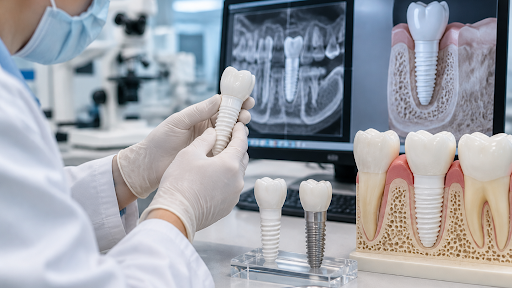
Material selection is an important part of biological dentistry because dental materials remain in close contact with oral tissues for long periods. As biological dentistry focuses on the relationship between oral treatments and overall patient health, many dentists are exploring implant materials that align with their clinical approach.
Ceramic implants, primarily made from zirconia, are gaining attention as a metal-free alternative to traditional titanium implants. Their biocompatibility, aesthetic properties, and material characteristics are some of the reasons they are being considered in biological dentistry. Understanding these material choices is also an important part of specialized training programs, such as a Biological Dentist Certification, where dentists learn about biological treatment approaches and the role of materials in patient care.
Here, we will learn about the key reasons why ceramic implants are becoming an important option in biological dentistry.
1. Ceramic Implants Provide a Metal-Free Implant Option
One of the main reasons ceramic implants are gaining attention in biological dentistry is that they provide a metal-free alternative to titanium implants.
Some biological dentistry approaches focus on carefully selecting dental materials based on their interaction with oral tissues. Zirconia implants allow dentists to offer an implant option without metallic components.
This makes ceramic implants relevant for patients and practitioners who prefer a metal-free treatment approach.
2. Ceramic Implants Have High Biocompatibility
Biocompatibility is an important consideration when selecting implant materials because the implant remains in direct contact with bone and surrounding tissues.
Zirconia has been studied for dental applications because of its stable chemical properties and compatibility with biological tissues.
Researchers and clinicians evaluate ceramic implants based on factors such as:
- Tissue response
- Bone integration
- Surface characteristics
- Long-term stability
The ability of zirconia to interact with surrounding tissues is one reason it is considered in biological implant dentistry.
3. Ceramic Implants Offer a Natural Tooth-Like Appearance
Aesthetic results are an important consideration, especially for implants placed in visible areas of the mouth.
Unlike titanium, which has a metallic gray appearance, zirconia is naturally white. This allows ceramic implants to better match the appearance of natural teeth and surrounding tissues.
Ceramic implants may be considered particularly useful in situations where:
- The implant area is visible when smiling
- Gum tissue is thin
- A natural-looking restoration is desired
4. Ceramic Implants Are Resistant to Corrosion
Material durability is another reason ceramic implants are being considered in biological dentistry.
Zirconia is a ceramic material with high chemical stability and resistance to corrosion. Unlike metals that can undergo corrosion under certain conditions, zirconia maintains its structure in the oral environment.
This material stability makes ceramic implants an area of interest for dentists evaluating long-term implant performance.
5. Ceramic Implants Align With a Biocompatible Material Approach
Biological dentistry places emphasis on selecting materials based on their interaction with the body.
Ceramic implants are considered within this approach because zirconia offers:
- Metal-free composition
- Stable material properties
- Compatibility with oral tissues
- Aesthetic advantages
For dentists following a biological dentistry model, implant material selection involves considering both functional requirements and material characteristics.
6. Growing Research and Clinical Interest in Ceramic Implants
Ceramic implants have gained increased attention as more research examines zirconia-based implant systems. Current research areas include:
- Bone integration around zirconia implants
- Soft tissue response
- Implant surface design
- Long-term clinical performance
As evidence continues to develop, ceramic implants are becoming a more recognized option within implant dentistry.
7. Ceramic Implants Support a Patient-Centered Treatment Approach
Biological dentistry often considers patient preferences, material choices, and long-term treatment goals during planning. Ceramic implants provide an additional option for patients who are looking for alternatives to traditional implant materials. The decision to use ceramic implants depends on factors such as:
- Oral condition
- Implant location
- Bone health
- Clinical requirements
- Dentist’s treatment philosophy
Conclusion
Ceramic implants are becoming important in biological dentistry because they provide a metal-free implant option with properties such as biocompatibility, aesthetic appearance, and material stability. Zirconia-based implants allow dentists to consider alternative implant solutions while evaluating how materials interact with oral tissues.
While titanium implants remain widely used and supported by extensive clinical history, ceramic implants continue to gain interest among dentists exploring biological dentistry approaches and patient-specific treatment options.









+ There are no comments
Add yours