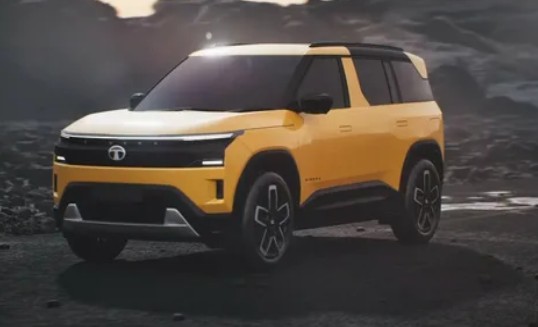
Instead of buying it for nostalgia, a 2026 customer should judge it like any other mid-size SUV: by the engine and transmission they need, the cabin space they will use, the safety package, and the real price gap between variants. The Sierra now sits between smaller Tata SUVs and the larger Harrier, which makes variant choice especially important.
Where does the Sierra sit on price?
Recent retail pricing starts around Rs. 11.49 lakh ex-showroom and extends beyond Rs. 20 lakh as powertrain and equipment levels rise. Tata’s retail pages can be dynamic by city and configuration, so the useful comparison is not a single headline number. Ask for the live ex-showroom price of the exact engine, gearbox and trim you intend to buy, and keep on-road charges separate. The new Tata Sierra brings back a familiar name in a very different market.
The core specifications shape the experience
| Specification | Current Sierra figure |
| Length | 4,340 mm |
| Width | 1,841 mm |
| Height | 1,715 mm |
| Wheelbase | 2,730 mm |
| Seating capacity | 5 |
| Engine family | 1.5-litre petrol, turbo-petrol and diesel choices |
| Transmission choices | Manual and automatic, depending on powertrain |
A 2,730 mm wheelbase gives the Sierra a useful base for passenger space, while the five-seat layout avoids the compromises that come with squeezing a third row into the same footprint. That makes it relevant to families that want generous second-row comfort rather than seven-seat flexibility. The dimensions also mean it is not a small urban crossover, so parking-space width and turning space at home deserve a real check.
Choose the engine by routine, not by badge value
If most driving is short city work, a petrol version may suit the operating pattern better than a diesel that rarely reaches sustained running temperature. Buyers with frequent highway distances and high annual kilometres may still find the diesel’s torque and cruising nature attractive. The turbo-petrol adds a stronger performance angle, but its higher output should be weighed against fuel use and purchase price. Drive the exact gearbox you are considering; transmission behaviour can matter more than a small specification difference on paper.
Do higher variants add things you will notice every day?
The Sierra range can include equipment such as panoramic roof features, larger screens, premium audio, powered convenience functions and more advanced driver-assistance technology on higher trims. Do not treat the longest feature list as the target. Make a personal three-column list: must-have, useful, and decorative. Spend more only when the upgrade moves a feature into the first two columns. For many households, camera quality, seat comfort, tyre profile and climate control are more valuable than cosmetic additions.
Safety should be read as a package
A crash-test star rating is useful, but it should be considered alongside the equipment fitted to the variant you are buying. Check the number of airbags, electronic stability control, tyre-pressure monitoring, ISOFIX anchorages, camera coverage, parking sensors and the availability or calibration of advanced driver-assistance functions. Driver-assistance features reduce workload in some situations; they do not replace attentive driving or appropriate speed.
What will everyday ownership feel like?
Sit in the second row behind your own driving position, not behind a seat adjusted for a shorter showroom executive. Fold the rear seat and inspect the loading lip. Take the test drive over broken city roads, a flyover and a faster stretch if possible. Also ask about tyre replacement cost and service intervals. A mid-size SUV can be comfortable on the first drive yet expensive to run if you choose oversized wheels or an engine that does not match your usage.
How should finance influence the variant decision?
Do not use a longer loan tenure merely to make the next trim look affordable. First decide the ex-showroom price and on-road budget you can support. Then compare the EMI for the base, preferred and one-step-higher variant using the same down payment, rate and tenure. The monthly difference may look small, but multiplied across several years it can become a significant amount, especially once interest is included.
If the Sierra is replacing a smaller car, measure your parking bay and entrance ramp before delivery. Width, mirror clearance and turning space are easy to underestimate after a short test drive. This simple physical check can prevent an otherwise excellent family SUV from becoming inconvenient every single day.
Buyers searching for Tata cars under 10 lakhs should recognise that the Sierra currently sits above that threshold in normal ex-showroom pricing. It is therefore better treated as a step-up purchase than stretched into a sub-Rs. 10 lakh comparison. If the household budget is genuinely capped near that level, compare smaller Tata models first and return to the Sierra only if the higher outlay still leaves room for insurance, registration and an emergency reserve. A larger EMI is not a substitute for affordability.
The Sierra’s broad cabin also makes tyre and wheel choices relevant. Larger wheels can sharpen appearance and steering response, yet lower-profile tyres may cost more to replace and can transmit more road texture on broken surfaces. Ask for tyre size and replacement availability on the exact trim. Families that travel on rough district roads may prefer a variant whose ride quality and replacement cost fit the route, even when a higher trim looks more attractive in the showroom.
Conclusion
The Tata Sierra deserves to be assessed as a modern five-seat SUV, not as a nostalgic purchase. Pick the powertrain around your actual running, inspect the space with your family, compare safety equipment variant by variant and keep the loan structure constant when comparing trims. That process makes it easier to see whether the extra price buys everyday value or only a longer equipment list.








+ There are no comments
Add yours