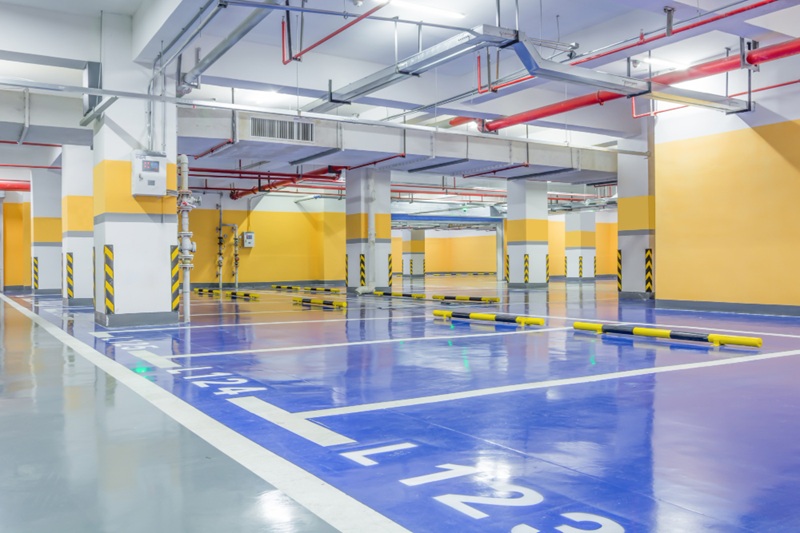
Are you thinking about upgrading your facility’s flooring? Perhaps you’ve noticed your concrete floors looking worn, stained, or simply not up to the demands of your daily operations? Or maybe you’re building a new warehouse and want to get the flooring right from the start?
Industrial epoxy floor coating has become the go-to choice for Australian businesses across countless sectors. From bustling warehouses in Melbourne to food processing plants in Brisbane, facility managers are discovering the remarkable benefits this flooring solution offers. It’s tough, looks professional, and can handle the kind of punishment that would destroy ordinary concrete surfaces.
In this guide, we’ll walk you through everything you need to know before committing to an epoxy floor installation. We’ll cover the basics of how epoxy works, help you assess whether it’s right for your facility, and explore the key factors that’ll determine your project’s success. Plus, we’ll tackle the all-important questions around cost, durability, and finding the right contractor for the job.
Understanding Industrial Epoxy Floor Coatings
What Is Industrial Epoxy Floor Coating?
Industrial epoxy floor coating is a high-performance flooring system created by combining epoxy resin with a hardening agent. When these two components mix, they trigger a chemical reaction that produces an incredibly strong, durable surface. Think of it as armour for your concrete floors.
Unlike regular paint or basic floor sealers, epoxy creates a thick, rigid plastic layer that bonds directly to the concrete substrate. This bond is what gives epoxy its legendary toughness. The result is a seamless, glossy surface that resists impacts, chemicals, and heavy traffic.
How Does Epoxy Floor Coating Work?
The magic happens through a process called curing. Once the epoxy mixture is applied to properly prepared concrete, the chemical reaction begins. Over several days, the liquid coating transforms into a solid, cross-linked polymer structure. This structure is what makes epoxy floors so resistant to damage. Different formulations cure at different rates, with some fast-curing options available for businesses that can’t afford extended downtime.
Types of Epoxy Floor Systems for Industrial Applications
You’ve got options when it comes to epoxy systems. Self-levelling epoxy creates smooth, seamless surfaces perfect for warehouses and showrooms. Epoxy mortar systems are the heavy-duty choice, ideal for areas facing extreme mechanical stress. Quartz-filled epoxy adds texture and slip resistance, while flake epoxy systems combine durability with decorative appeal. Your specific needs will determine which system suits your facility best.
Assessing Your Facility’s Needs
What Industries Benefit Most from Epoxy Floor Coatings?
Epoxy flooring thrives in demanding environments. Manufacturing plants love it for its resistance to oils and chemicals. Warehouses appreciate its ability to withstand forklift traffic day after day. Healthcare facilities value its seamless, hygienic surface that’s easy to clean and sanitise.
Food and beverage processing plants, automotive workshops, pharmaceutical facilities, and commercial kitchens all benefit tremendously from epoxy flooring. Even aircraft hangars and fire stations rely on this versatile solution. If your facility faces heavy foot traffic, vehicle movement, chemical exposure, or strict hygiene requirements, epoxy deserves serious consideration.
Evaluating Your Current Floor Condition
Before jumping into installation, take a good hard look at your existing floors. Are there cracks? What about oil stains or previous coatings? Is moisture seeping through the concrete? These factors significantly impact how your epoxy installation will proceed.
Older concrete may have absorbed oils over decades of use, making proper adhesion challenging. Cracks need addressing before coating, or they’ll telegraph through to the new surface. A professional assessment will reveal any hidden issues that could compromise your investment.
Traffic Patterns and Load Requirements
Consider how your facility operates daily. Where do forklifts travel most frequently? Which areas see the heaviest foot traffic? Do you have point loads from heavy machinery or racking systems?
Understanding these patterns helps determine the appropriate epoxy system thickness and type. High-traffic zones might need extra coats or more robust formulations. Areas with chemical exposure require specific resistant properties. Getting this assessment right ensures your floors perform as expected for years to come.
Key Factors to Consider Before Installation
Surface Preparation Requirements
Here’s the truth that many facility managers learn the hard way: surface preparation is absolutely non-negotiable. Even the best epoxy system will fail if applied to poorly prepared concrete. The surface must be clean, dry, and properly profiled to allow the epoxy to bond effectively.
Professional installers use diamond grinding or shot blasting to create the ideal surface profile. This mechanical preparation opens up the concrete’s pores, creating millions of tiny anchoring points for the epoxy. Skip this step, and you’re essentially building your flooring system on a foundation of sand.
Common issues like existing cracks, moisture problems, and contamination from oils or previous coatings all need addressing. Moisture testing is particularly important in Australian climates, where humidity levels can vary dramatically. A moisture content above acceptable levels will cause the epoxy to bubble, peel, or delaminate entirely.
Environmental and Operational Conditions
Australian climates present unique challenges for epoxy installation. Temperature and humidity significantly affect curing times and final results. Most epoxy systems require temperatures between 10°C and 35°C for proper application and curing. Humidity levels also matter—too much moisture in the air can cause surface defects.
Consider your facility’s chemical exposure needs carefully. Standard epoxy handles most common industrial chemicals, but aggressive substances may require specialised formulations. Food processing areas need food-grade epoxy systems that meet strict Australian food safety standards and are easy to sanitise.
Downtime and Installation Timing
Let’s address the elephant in the room: how long will your operations be disrupted? Industrial epoxy floor coating typically takes 24 to 72 hours to cure sufficiently for foot traffic, with full chemical resistance developing over seven days.
Planning installation during slower periods—perhaps over a long weekend or during scheduled shutdowns—minimises operational impact. Some fast-curing systems can return to light service within 12 to 24 hours, though they may cost more. Discuss timing options with your contractor to find the best solution for your operational needs.
Durability and Maintenance
How Long Does Epoxy Floor Coating Last in Industrial Settings?
With proper installation and reasonable care, industrial epoxy floors typically last between 10 and 20 years. High-quality systems in moderate-use environments often exceed these estimates. However, extremely demanding conditions—think constant forklift traffic or aggressive chemical exposure—may reduce lifespan.
What Maintenance Does Epoxy Flooring Require?
The good news? Epoxy floors are remarkably low-maintenance. Regular sweeping or dust mopping removes abrasive particles that could gradually wear the surface. Periodic mopping with appropriate cleaning solutions keeps the floor looking sharp.
Avoid harsh chemicals or abrasive cleaning methods that could damage the surface. Address spills promptly, particularly acidic or corrosive substances. With basic care, your epoxy floor will maintain its appearance and performance for years.
Safety and Compliance
Slip Resistance and Workplace Safety Standards
Workplace safety is paramount in any industrial setting. Standard epoxy floors can be slippery when wet, but anti-slip additives solve this problem effectively. Quartz or aluminium oxide aggregates can be broadcast into the topcoat to create textured, slip-resistant surfaces.
Your epoxy flooring should meet Australian workplace safety standards for slip resistance. Discuss your specific requirements with your contractor to confirm the chosen system will comply with relevant regulations and protect your team.
Choosing the Right Epoxy Flooring Contractor
What to Look for in a Professional Installation Team
Not all contractors are created equal. Look for installers with extensive experience in industrial applications specifically. Ask for references from similar facilities and check their work firsthand if possible.
Professional contractors should provide detailed quotations, clear timelines, and comprehensive warranties. They should also conduct proper site assessments before providing final pricing. Be wary of contractors who quote without inspecting your floors—this often leads to unexpected costs or poor results.
Ask about their surface preparation methods, the specific products they use, and their approach to moisture testing. A reputable contractor will happily explain their process and answer your questions thoroughly.
Common Mistakes to Avoid
Why DIY Industrial Epoxy Installation Often Fails
We understand the temptation to save money with a DIY approach, but industrial epoxy installation isn’t a weekend warrior project. The equipment required for proper surface preparation alone represents a significant investment. Without mechanical grinding or shot blasting, DIY floors almost always fail prematurely.
Product mixing ratios, application techniques, and environmental control all require expertise and experience. Professional installers understand these nuances and have the tools to execute properly. The cost of removing failed DIY epoxy and starting over typically exceeds what professional installation would have cost initially.
Making the Right Decision for Your Industrial Facility
Choosing to install industrial epoxy floor coating Melbourne represents a significant decision for any Australian business. As we’ve explored, success depends on understanding your facility’s specific needs, preparing surfaces properly, and selecting the right system for your operational conditions.
The key takeaway? Don’t cut corners. Proper surface preparation, appropriate system selection, and professional installation form the foundation of a flooring solution that’ll serve your facility for decades. While upfront costs may seem substantial, the long-term value—through reduced maintenance, improved safety, and enhanced durability—makes epoxy flooring an investment that pays dividends.
Take your time evaluating contractors, ask plenty of questions, and don’t be swayed by the cheapest quote. Your floors support everything your business does, so give them the attention they deserve. With the right approach, your new epoxy floors will handle whatever your operations throw at them, looking great while doing so.









+ There are no comments
Add yours