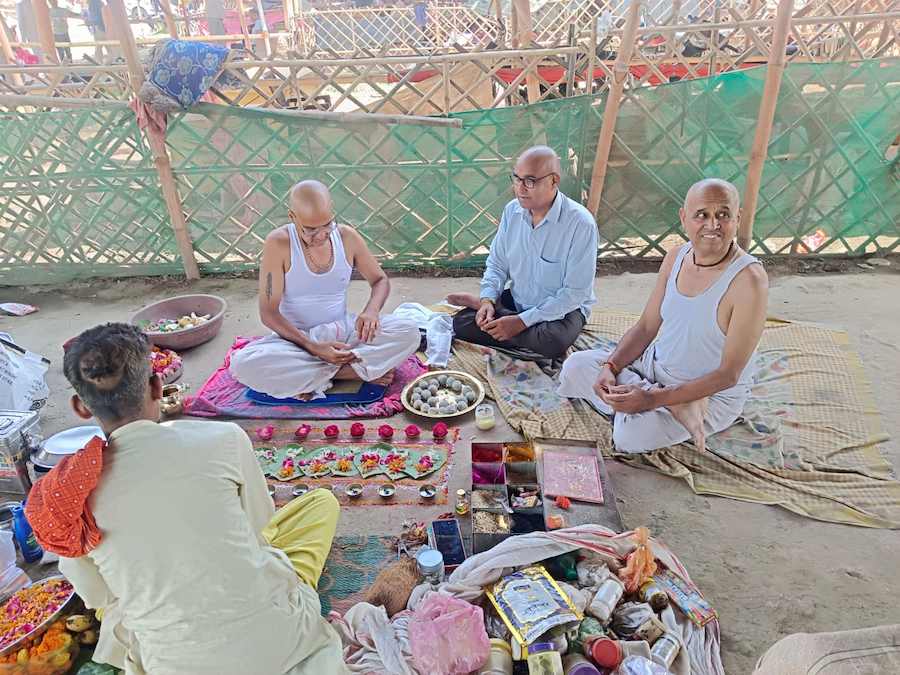
The loss of a loved one is a deeply personal experience, and for many Hindu families, religious rituals provide a meaningful way to express remembrance, respect and devotion. These traditions offer an opportunity for family members to come together, honour the departed and observe customs that have been passed down through generations. Among the sacred destinations associated with such observances, Varanasi holds a special place because of its connection with the River Ganga and its longstanding spiritual significance.
For families planning varanasi asthi visarjan, the journey often carries both religious and emotional importance. The ceremony involves immersing the ashes of a deceased person in a sacred body of water, according to family customs and religious guidance. Understanding the customary practices, practical arrangements and local considerations beforehand can help families approach the occasion with greater clarity and peace of mind.
The Religious Significance of Asthi Visarjan
In Hindu traditions, cremation is followed by several rites associated with honouring the departed. Asthi visarjan refers to the immersion of the remaining cremated bones and ashes, commonly called asthi, in a sacred river or other water body according to the family’s customs. The practice is associated with prayers, remembrance and the spiritual beliefs surrounding the journey after death.
The River Ganga has particular importance in Hindu religious life. Many families travel to Varanasi to perform rites because of the city’s sacred association with the river and its place in pilgrimage traditions. For them, conducting the ceremony in this setting can represent continuity with family beliefs and a way of fulfilling responsibilities towards a departed relative.
However, Hindu customs vary across regions and communities. The timing, sequence and accompanying prayers may differ according to family tradition, the guidance of a priest and the circumstances of the death. Families should therefore discuss their specific requirements with a knowledgeable priest rather than assume that every ceremony follows one universal procedure.
Why Varanasi Holds a Special Place
Varanasi is among India’s most recognised pilgrimage cities, with a spiritual history closely connected to the Ganga, its temples and its ghats. For generations, pilgrims have visited the city to perform religious observances, offer prayers and participate in rituals associated with important stages of life and death.
The city’s religious atmosphere can be meaningful for families travelling from different parts of India. Some may have visited Varanasi previously, while others may be making the journey for the first time. In either case, understanding the local arrangements can make the experience easier to navigate, particularly when family members are travelling together during an emotionally difficult period.
Those planning varanasi asthi visarjan should consider the location of the ceremony, access to the river, travel time and the needs of elderly relatives. Since the ghats can be busy and conditions near the river may vary, it is sensible to arrange suitable assistance and follow local safety instructions during the ritual.
Preparing for the Ceremony
Planning ahead can reduce uncertainty on the day of the ceremony. Families should confirm which documents or personal details may be required, what ritual materials need to be brought and whether the priest will provide the necessary items. It is also useful to clarify the expected duration of the ceremony and the number of family members participating.
Travel arrangements deserve similar attention. Families coming from another city may need to organise transport, accommodation and local travel to the ceremony site. Allowing sufficient time for each part of the journey can help prevent unnecessary pressure and provide space for the family to observe the rituals respectfully.
A priest familiar with the family’s customs can explain the sequence of the ceremony and answer questions about participation. This is particularly helpful for relatives who are unfamiliar with the traditional practices or who are coordinating arrangements on behalf of other family members.
Understanding Ceremony Packages and Services
Families travelling to a pilgrimage destination may prefer to organise the ceremony through a coordinated service rather than arranging each element independently. Depending on the provider, such arrangements may include priest assistance, ritual materials, guidance about the ceremony location and help coordinating local logistics. The precise services offered can vary considerably.
When comparing a varanasi asthi visarjan package, families should ask for a clear breakdown of what is included. It is useful to confirm the priest’s role, the materials provided, the expected duration and whether transport or other arrangements are covered separately. Any additional charges should also be explained before the booking is confirmed.
Price alone may not indicate whether a package is suitable. Families should consider whether the provider communicates clearly, understands their requirements and is willing to explain the customary process. Transparent arrangements can help avoid misunderstandings and allow relatives to focus on the purpose of the ceremony rather than last-minute practical issues.
The Relationship Between Asthi Visarjan and Pind Daan
Asthi visarjan and pind daan are both associated with Hindu rites for the departed, but they are distinct observances. Asthi visarjan concerns the immersion of cremated remains, while pind daan involves offerings made as part of ancestral rites. The procedures, timing and religious significance may differ according to regional traditions and family customs.
Some families undertake additional rites as part of a wider period of remembrance. Others may perform particular ceremonies at different sacred locations, depending on the guidance they receive and the practices followed by their community. It is important to understand the requirements of each ritual separately instead of assuming that one ceremony automatically includes another.
Varanasi is associated with both ancestral observances and pilgrimage practices. Families interested in pind daan kashi may wish to discuss with a priest whether this ritual is appropriate for their circumstances, when it should be performed and what preparations are customary. Such conversations can help families make informed decisions without feeling pressured into arranging ceremonies they do not require.
Respecting Regional and Family Traditions
Hindu religious practices reflect a wide range of regional customs, languages and family traditions. A family from Bihar may follow particular procedures that differ from those observed by a family from Maharashtra, Bengal or southern India. Even within the same region, practices can vary according to lineage and community.
For this reason, communicating family expectations to the priest before the ceremony is valuable. Relatives can explain any customary prayers, ritual requirements or preferences they wish to observe. A priest who listens carefully and explains the available options can help the family understand how its traditions may be accommodated.
Families should also feel comfortable asking questions about unfamiliar procedures. Religious observances can involve specific materials, mantras and sequences, and understanding their purpose may make participation more meaningful. Clear explanations can be particularly reassuring when several relatives are involved in organising the journey.
Practical Considerations for a Peaceful Visit
A pilgrimage can involve physical and logistical challenges, especially for families travelling with older relatives or young children. Checking local weather conditions, arranging suitable transport and allowing enough time to reach the ceremony location can help make the visit more manageable.
Safety near the river should remain a priority. Families should follow local instructions, use designated access points and seek assistance where necessary. Any arrangements for immersion should be conducted respectfully and in accordance with local guidance and applicable environmental requirements.
It is also helpful to coordinate family members in advance so that everyone understands the timing and meeting arrangements. Keeping essential items together and confirming details with the priest can reduce confusion. These preparations do not diminish the spiritual significance of the occasion; rather, they help create the conditions for a more focused and respectful observance.
Preserving the Meaning of Remembrance
Religious ceremonies following the death of a loved one can hold deep emotional significance. They give families a structured way to express grief, remember the departed and maintain connections with inherited traditions. The setting of Varanasi, with its association with the Ganga and Hindu pilgrimage, can make these observances especially meaningful for those who choose to travel there.
For families considering Varanasi asthi visarjan, preparation should combine respect for religious customs with practical planning. Understanding the ceremony, confirming the arrangements and communicating with the priest can help relatives approach the occasion with greater confidence.
Pitradev can be considered by families seeking guidance and assistance with ancestral rituals in Varanasi. By clarifying the ceremony requirements, understanding what services are included and allowing time for careful preparation, families can focus on honouring their loved one in a manner consistent with their beliefs and traditions.










+ There are no comments
Add yours