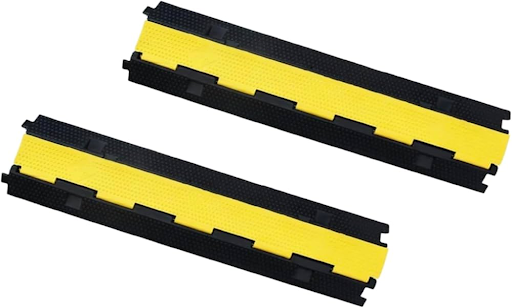
Cables and electrical leads can create trip and damage risks when placed across busy areas. 3 Channel Cable Protectors can help protect cables while creating a safer route for people and equipment. The right protector depends on the number of cables, traffic type, location, and expected load. Choosing the correct design can also make installation and daily use easier.
Count the Cables First
Start by checking how many cables need protection. A protector with separate channels can keep cables organised and reduce movement. Three-channel designs can suit situations where several cables or leads need to cross a busy area. Before ordering, check the number and size of cables you need to cover. This helps ensure they fit correctly.
Check the Cable Size
Cable protectors are not one-size-fits-all. Each product has limits for channel dimensions and cable capacity. Measure the cables before choosing a protector. Make sure the channels provide enough room without forcing cables into place. Avoid placing cables into a channel that is too small. This can affect how the protector sits and how the cables are protected.
Consider the Traffic
Think about what will move over the protector. A pedestrian walkway has different requirements from an area used by vehicles or equipment.
Consider:
- Foot traffic
- Trolleys
- Forklifts
- Vehicles
- Equipment movement
- Expected frequency of use
The product should be suitable for the traffic conditions at your location.
Consider the Work Environment
Cable protectors can be used in different settings. These may include construction areas, warehouses, events, exhibitions, and temporary workspaces. Each environment can present different challenges.
For outdoor use, consider weather exposure and the condition of the surface. For indoor use, consider floor type, access points, and pedestrian movement.
Check the Surface
The surface underneath the protector can affect stability. A clean, reasonably even surface can make installation easier. Check for loose materials, uneven areas, water, or other hazards before installation. Position the protector so people and equipment can move across it safely.
Think About Visibility
People need to notice cable protection before walking or moving equipment over it. High-visibility designs can make the protector easier to see. Placement also matters. Avoid positioning it where other equipment or stored materials can hide it. Good visibility can help people recognise changes in the walking or working surface.
Do Not Ignore Electrical Safety
Cable protection is only one part of electrical safety. Safe Work Australia recommends protecting electrical leads from damage and using cable protection ramps or covers where applicable. Inspect cables before use. Damaged leads should not remain in service.
Consider Other Traffic Controls
Cable protection may need to work alongside other site controls. Depending on the location, you may also need traffic barricades signs, or pedestrian controls.
Safe Work Australia recommends managing traffic risks by considering how people and vehicles interact. This is particularly important in busy workplaces and event areas.
Review the Product Before Purchase
Before buying, check:
- Channel size
- Number of channels
- Load rating
- Surface suitability
- Cable type
- Product dimensions
- Installation requirements
These details can help you select a protector suited to your location.
Conclusion
Choosing 3 Channel Cable Protectors starts with understanding the cables and the environment where they will be used. Check cable size, traffic, surface conditions, visibility, and product capacity before buying. Cable protection should also form part of wider electrical and workplace safety practices. A suitable protector can help keep cables organised while reducing exposure to common trip and damage risks.










+ There are no comments
Add yours