Introduction
In an economy like India’s, where the financial landscape is constantly evolving, understanding personal finance management has become increasingly crucial. One common financial tool that many individuals encounter is the overdraft facility offered by banks. While this facility can provide a safety net in times of cash flow challenges, it can also lead to significant costs if mismanaged. This article delves into the tips for cost-saving on overdrafts and explains why being knowledgeable about this financial feature is more essential than ever in India.
What is Overdraft?
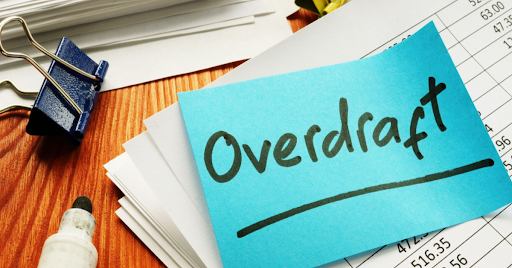
An overdraft occurs when a bank allows an account holder to withdraw more money than is available in their account balance. This facility can be a double-edged sword. On one side, it provides immediate liquidity to manage unforeseen expenses, while on the other hand, it typically incurs high-interest charges and fees that can quickly accumulate.
Understanding Overdraft Charges
Common Types of Overdraft Fees and Interest
Overdraft charges generally include:
- Interest Rates: Banks impose interest on the overdrawn amount. Rates can vary but are typically higher than standard loan interest rates.
- Overdraft Fees: Many banks charge a flat fee for each instance of overdraft, regardless of the amount overdrawn.
- Monthly Maintenance Fees: Some banks may impose a fixed monthly fee for maintaining the overdraft facility, even if it is not utilized.
Understanding these charges is crucial for anyone utilizing an overdraft facility to avoid unnecessary costs.
Why Overdraft Management Matters More Than Ever
The importance of managing overdrafts is heightened in today’s financial climate, characterized by increased living costs, economic uncertainty, and fluctuating interest rates. Here are several reasons why effective overdraft management is essential:
Key Reasons to Prioritize Overdraft Control
- Rising Costs of Living: With inflation affecting everyday expenses, many individuals find themselves relying on overdrafts more frequently. Without proper management, this reliance can spiral into a debt trap.
- Unforeseen Expenses: Emergencies can happen, leading to unexpected costs that an individual may not be prepared for. Overdrafts can provide quick solutions, but if not managed, they can become a financial burden.
- CIBIL Impact: In India, maintaining a healthy credit score (CIBIL Score) is crucial. Defaulting on overdraft repayments can negatively affect one’s credit score, making it harder to secure loans in the future.
- Economic Environment: With the global economy being unstable, managing personal finances effectively is more important than ever to secure a financially stable future.
Effective Cost-Saving Tips for Managing Overdrafts
1. Understand Your Overdraft Terms
Before utilizing the overdraft facility, it’s essential to familiarize yourself with the terms associated with it. Understand the interest rates, fees, and repayment policies. Go through the fine print to avoid any surprises, as they can help you navigate the use of this financial tool more efficiently.
2. Set Up Alerts
Most banking apps allow users to set up alerts for account balances. Setting alerts when your balance dips below a specific threshold can help you avoid unintentionally going overdrawn. This proactive approach ensures you remain aware of your financial situation at all times.
3. Keep a Financial Buffer
Maintaining a small buffer in your bank account can provide some leeway, thereby reducing the frequency of relying on overdrafts. Even a few hundred rupees can help in avoiding an overdraft circumstance.
4. Avoid Frequent Use
Using overdraft facilities routinely can lead to heavy charges. If you find yourself needing to overdraw frequently, it might be beneficial to assess your overall financial habits or consider alternative financing options, such as a personal loan with lower interest rates.
5. Utilize Savings Wisely
If you have a savings account, consider using those funds instead of resorting to an overdraft. While accessing savings may seem counterintuitive, it typically incurs lesser charges compared to an overdraft.
6. Set a Repayment Plan
Establish a clear plan to repay any overdraft quickly. Create a budget that factors in your income and expenses, prioritizing the repayment of overdrawn funds. This will prevent the accumulation of interest and associated fees.
7. Switch to a Better Bank
Not all banks are created equal when it comes to overdraft policies. Research and compare offerings across different banks. Consider transferring your account to a bank that offers lower overdraft fees or better interest rates.
8. Negotiate with Your Bank
In some cases, it may be possible to negotiate your overdraft limits, fees, or interest rates with your bank. It never hurts to ask, especially if you have a strong banking history with them.
9. Explore Alternative Solutions
In certain situations, overdrafts may not be the best solution. Investigate alternatives such as personal loans, which might offer lower interest rates and more flexible repayment options.
10. Educate Yourself Financially
Knowledge is power. Taking time to educate yourself on personal finance, budgeting, and managing debt can empower you to make better financial decisions and avoid pitfalls associated with overdraft facilities.
The Role of the Bill of Exchange in Overdraft Management
Understanding financial instruments is crucial when navigating financial challenges. A bill of exchange is a negotiable instrument that serves as a written order from one person to another, instructing the latter to pay a fixed amount on demand or at a specified date.
How Does the Bill of Exchange Relate to Overdrafts?
- Facilitating Transactions: A bill of exchange can facilitate transactions and help ensure that individuals do not overdraw. For example, if a business needs to purchase supplies but lacks immediate cash, they can use a bill of exchange to negotiate a payment, thereby avoiding an overdraft.
- Credit Extension: Bills can serve as a form of credit, allowing individuals to defer payments without relying on the more expensive option of an overdraft. This can minimize interest expenses.
- Improved Cash Flow: Businesses can utilize bills of exchange to improve cash flow, helping ensure that they can meet obligations without turning to overdraft facilities.
- Negotiability: The negotiable aspect of bills of exchange allows them to be endorsed and transferred, potentially offering liquidity without accruing overdraft charges.
Conclusion
Overdrafts can be considered both a lifeline and a trap. With fluctuating economic conditions and increasing living costs, understanding how to manage overdrafts becomes paramount. By adopting these cost-saving tips, individuals can leverage overdrafts effectively while minimizing costs.
Taking Control of Your Financial Future
Moreover, familiarizing oneself with financial instruments like the bill of exchange can provide alternative options to manage cash flow more efficiently. With a proactive approach to personal finance, it is possible to avoid the pitfalls that often accompany overdrafts and pave a path towards financial stability.
In a rapidly changing financial landscape, knowledge, and an understanding of financial tools are invaluable. Make informed choices, and prioritize your financial health for a more secure future. Understanding overdrafts and learning to manage them effectively is not just about avoiding fees and minimizing costs; it’s about taking control of your financial destiny amidst an ever-evolving economic environment.
Additional References
Helpful Resources for Indian Borrowers
- Reserve Bank of India (RBI) Guidelines on Overdrafts
- Consumer Financial Protection Bureau (CFPB) on Overdraft and Overuse
- Financial Literacy Manuals and Seminars by Indian Banks
- Personal finance blogs and websites focused specifically on the Indian context.
By addressing overdrafts strategically, individuals can ensure they both navigate financial difficulties more effectively and avoid the associated pitfalls that can derail financial plans. In doing so, they can focus on building a secure financial future, characterized by knowledge, responsibility, and resilience against uncertainties.








+ There are no comments
Add yours