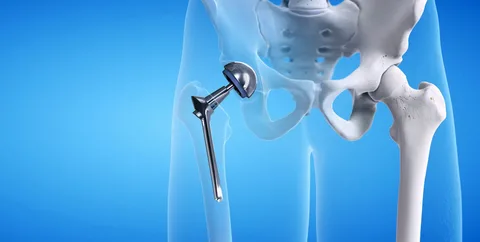
Hip pain can gradually affect walking, sleeping, and even simple daily activities. While occasional discomfort may settle with rest, persistent pain can indicate an underlying joint problem. Understanding the cause is important because different hip conditions require different approaches. In severe cases, hip joint replacement surgery may become a treatment option when other methods no longer provide sufficient relief.
Knowing how hip damage develops, how doctors diagnose it, and which treatments are available can help patients make informed decisions. It also allows them to recognise when professional assessment is necessary and what to expect during the treatment process.
Understanding the Structure and Function of the Hip Joint
The hip is a ball-and-socket joint that connects the thigh bone to the pelvis. The rounded top of the thigh bone, called the femoral head, fits into a socket in the pelvis. Smooth cartilage covers these surfaces and allows the bones to move comfortably against each other. This structure supports activities such as walking, sitting, standing, and climbing stairs.
Several muscles, tendons, and ligaments surround the joint and provide stability. The hip also carries a significant part of the body’s weight during movement. When cartilage wears down, bone becomes damaged, or surrounding tissues are affected, normal movement can become painful. Understanding this structure helps explain why different forms of hip damage can affect mobility in different ways.
How Hip Joint Damage Is Diagnosed
Diagnosis begins with a discussion about symptoms, medical history, previous injuries, and daily activities. The specialist may ask when the pain started, where it occurs, and which movements make it worse. A physical examination helps assess walking patterns, joint flexibility, tenderness, muscle strength, and the range of movement.
Imaging tests may be recommended to understand the condition more clearly. X-rays can reveal changes in joint space, bone structure, arthritis, and certain fractures. MRI scans provide detailed views of cartilage, bone, and surrounding soft tissues. Blood tests may be suggested when inflammatory conditions or infections are suspected. The findings help the specialist identify the cause and determine suitable treatment options.
Treatment Options for Managing Hip Joint Damage
Treatment depends on the cause of the problem, the extent of damage, the patient’s general health, and how much daily life is affected. In many cases, non-surgical methods are considered first. These approaches may help manage discomfort, maintain movement, and support everyday activities, although they cannot restore cartilage that has already been lost.
Depending on the diagnosis, a specialist may recommend a combination of the following approaches:
- Adjusting activities that repeatedly increase hip discomfort.
- Physiotherapy to improve flexibility, muscle strength, and balance.
- Low-impact activities suited to the patient’s condition.
- Using a walking aid when recommended by the specialist.
- Weight management to reduce pressure on the hip joint.
- Prescribed pain-relief or anti-inflammatory medicines when appropriate.
These methods may help patients manage symptoms, but their effectiveness varies. If pain remains severe or mobility continues to decline despite suitable treatment, the specialist may discuss whether a surgical approach is appropriate.
When Is Hip Surgery Considered?
Surgery may be considered when advanced hip damage causes persistent pain or limits daily activities despite non-surgical treatment. The decision depends on symptoms, examination findings, imaging results, and overall health. Before hip joint replacement surgery, patients should discuss its benefits, risks, alternatives, and recovery requirements with their specialist.
-
Total Hip Replacement
Total hip replacement involves replacing the damaged femoral head and the affected surface of the socket with artificial components. It may be considered when severe arthritis or other joint damage causes substantial pain and movement limitations. The procedure is planned according to the patient’s anatomy and clinical condition.
-
Partial Hip Replacement
Partial hip replacement involves replacing the femoral head while leaving the natural socket in place. It may be recommended for certain hip fractures, particularly when the socket is not significantly damaged. The patient’s age, general health, and fracture pattern influence the treatment decision.
-
Hip Resurfacing
Hip resurfacing involves covering the damaged surface of the femoral head rather than removing the entire head. It may be suitable for selected patients, depending on bone quality, age, activity level, and the extent of joint damage. A specialist assessment is necessary to determine whether this procedure is appropriate.
-
Revision Hip Replacement
Revision surgery may be required when an existing hip implant develops problems such as loosening, wear, infection, instability, or a fracture around the implant. This procedure can be more complex than an initial replacement because the surgeon must assess the implant and surrounding bone before planning treatment.
-
Robotic-Assisted Hip Replacement
Robotic assistance may be used in selected hip replacement procedures to support surgical planning and component positioning. Its suitability depends on the patient’s anatomy, joint condition, and the surgeon’s assessment. Patients can discuss whether this approach is appropriate for their individual needs.
Preparing for Surgery and Understanding Recovery
Preparation begins with a review of the patient’s medical history, current medicines, and existing health conditions. The care team may recommend tests or adjustments to certain medicines before the procedure. Patients can also prepare their homes by clearing walking spaces, arranging support, and keeping essential items within easy reach.
Recovery varies according to the procedure, general health, and individual progress. Physiotherapy may help patients gradually improve movement, strength, and balance. Following instructions about walking, wound care, and activity levels is important. Patients should attend follow-up appointments and report concerns such as increasing pain, fever, wound discharge, or sudden swelling.
Conclusion
Hip joint damage has different causes, and accurate diagnosis is essential for choosing suitable care. Many people manage symptoms without surgery, while others may benefit from an operation when pain and movement limitations become severe. Understanding the procedure, recovery needs, and possible risks supports informed decisions. Patients should also discuss the hip replacement cost with their care team, including what the estimate covers and whether additional expenses may arise.
For those considering specialist assessment and treatment options, Bone & Joint Consult provides specialised joint replacement care through Dr Rewat Laxman, who has experience in primary and revision hip, knee, and shoulder replacement procedures. His expertise also includes arthroscopy, complex trauma, and joint preservation. Patients experiencing persistent hip pain or restricted movement can consult the specialist to understand their condition and discuss suitable treatment options, including surgical care when required.










+ There are no comments
Add yours