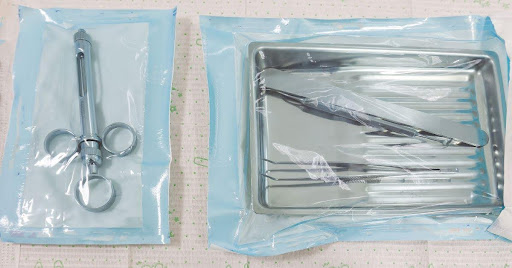
Packaging plays a critical role in the medical device industry. It protects products, supports regulatory compliance, and ensures devices reach users in safe condition. Choosing between custom and standard packaging affects cost, safety, and efficiency. For companies involved in packaging medical devices, understanding this choice helps reduce risk and improve operational outcomes.
What Is Standard Packaging for Medical Devices
Standard packaging refers to pre-designed formats used across multiple medical devices. These include cartons, pouches, blister packs, and trays produced in fixed sizes. Manufacturers often choose standard packaging for devices with simple designs and low fragility.
The main advantage of standard packaging is cost efficiency. Bulk production lowers unit costs and shortens lead times. It also simplifies inventory management and supports consistent production. However, standard packaging does not always fit devices precisely. Extra space inside the package can allow movement, which increases the risk of damage or sterility issues during transport.
What Is Custom Packaging for Medical Devices
Custom packaging is designed specifically for a particular medical device. Engineers base the design on the device’s size, shape, and handling needs. These solutions may include molded trays, inserts, or layered protection systems.
Custom packaging improves device stability and reduces movement during shipping. It also supports sterility control for sensitive or high-risk devices. The main drawback is the higher upfront cost. Designing, testing, and validating custom packaging requires more time and investment than standard solutions.
Protection and Safety Differences
Protection levels vary significantly between standard and custom packaging. Understanding these differences helps manufacturers select the right approach.
Key safety distinctions include:
- Standard packaging provides basic protection for low-risk devices
- Custom packaging secures devices to prevent movement
- Tailored designs reduce breakage during shipping
- Better fit supports sterility and contamination control
These factors explain why complex devices often require custom solutions.
Regulatory and Compliance Considerations
Medical device packaging must meet strict regulatory standards. Standard packaging can support compliance when devices fall into common categories. However, custom packaging allows manufacturers to validate performance under specific conditions. This approach supports regulatory submissions and reduces compliance risks during audits.
Cost, Scalability, and Efficiency
Cost and scalability strongly influence packaging decisions. Each option affects production efficiency differently.
When comparing cost and scalability:
- Standard packaging has lower upfront costs
- Standard formats scale easily for high-volume production
- Custom packaging costs more initially
- Reduced damage can improve long-term efficiency
For organizations focused on packaging medical devices, aligning cost with risk is essential.
Choosing Between Custom and Standard Packaging
Selecting the right packaging depends on device characteristics and distribution needs.
In general:
- Standard packaging suits durable, low-risk devices
- Custom packaging benefits fragile or complex devices
- Sterile devices often need tailored protection
- Transport and handling conditions matter
Careful evaluation supports better packaging decisions.
Conclusion
Both custom and standard packaging play important roles in the medical device industry. Standard packaging offers speed and cost control, while custom packaging provides precision and protection. The right choice depends on device risk, handling needs, and compliance requirements. Selecting the appropriate packaging strategy supports safety, efficiency, and long-term success.













+ There are no comments
Add yours