Ever stood at your kitchen sink, watching water pool around dirty dishes and refusing to drain? Or perhaps you’ve noticed that gurgling sound coming from your bathroom basin that’s been getting worse by the day? A blocked sink is one of those household annoyances that seems minor at first but can quickly escalate into a proper headache if left unattended.
In this guide, we’ll walk you through everything you need to know about tackling blocked sinks. From identifying what’s causing the problem to exploring DIY methods and knowing when it’s time to call in the professionals, you’ll have all the information you need to make the right choice for your situation. Let’s get stuck into it.
What Causes a Blocked Sink?
Common Culprits In Kitchen Sinks
Kitchen sinks cop the brunt of daily household activities, so it’s no surprise they’re prone to blockages. The biggest offender? Grease and cooking oils. When you rinse oily pans or pour leftover fat down the drain, it might seem harmless while it’s warm and liquid. However, once it cools, it solidifies and clings to your pipes like glue.
Food scraps are another major contributor, especially if you don’t have a garbage disposal unit. Rice, pasta, and coffee grounds are particularly troublesome because they expand or clump together in your pipes. Even small bits that slip past can accumulate over time, creating a stubborn blockage.
Can You Fix A Blocked Sink Yourself?
When DIY Methods Actually Work
Good news—many blocked sinks can be sorted without calling a plumber. DIY approaches work best when the blockage is relatively fresh, located close to the drain opening, and caused by common culprits like hair or minor grease build-up. If water is still draining, even slowly, you’ve got a decent chance of fixing it yourself.
Tools You’ll Need at Home
Before you start, gather these essentials:
– A plunger (cup-style works best for sinks)
– Bicarbonate soda and white vinegar
– A bucket and old towels
– Rubber gloves
– A drain snake or wire coat hanger
Safety Precautions Before You Start
Always wear gloves when dealing with blocked drains—you never know what’s lurking in there. If you’re using any chemical products, ensure good ventilation and never mix different drain cleaners together. That’s a recipe for dangerous fumes.
How To Unblock A Sink: Step-By-Step Methods
The Boiling Water Technique
This is your simplest first step. Boil a full kettle and carefully pour it directly down the drain in two or three stages, allowing a few seconds between each pour. The hot water can dissolve grease and dislodge minor blockages. It’s surprisingly effective for early-stage clogs.
Using A Plunger Effectively
Fill the sink with enough water to cover the plunger cup. Place the plunger over the drain, ensuring a tight seal, and pump vigorously for about 20 seconds. The pressure created can shift blockages further down the pipe. Repeat several times if needed.
The Bicarbonate Soda And Vinegar Method
Pour half a cup of bicarbonate soda down the drain, followed by half a cup of white vinegar. You’ll hear fizzing—that’s the chemical reaction working to break down gunk. Cover the drain and wait 30 minutes, then flush with boiling water.
Cleaning The P-Trap
The P-trap is the curved pipe section under your sink. Place a bucket underneath, unscrew the connections, and remove the trap. Clean out any debris, rinse thoroughly, and reattach. This method catches blockages that other approaches miss.
Using A Drain Snake Or Auger
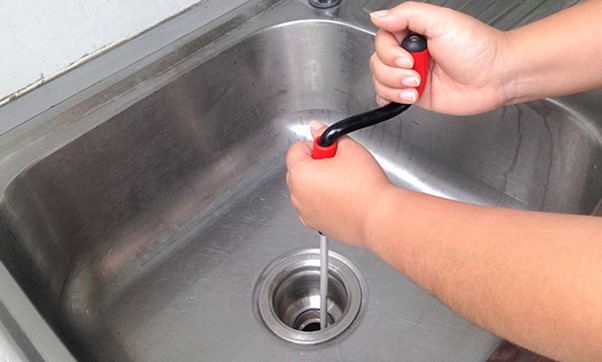
For stubborn clogs, feed a drain snake into the pipe and rotate it as you push forward. When you feel resistance, you’ve hit the blockage. Keep rotating to break it up or hook it so you can pull it out.
What Is The Best Product To Unblock A Sink?
Chemical Drain Cleaners: Pros And Cons
Chemical cleaners are powerful and fast-acting. However, they’re harsh on pipes (especially older ones) and terrible for the environment. Use them sparingly and as a last resort before calling a professional.
Enzymatic Drain Cleaners: A Safer Alternative
These products use natural bacteria to eat away at organic matter. They’re gentler on your plumbing and eco-friendlier, though they work more slowly. They’re ideal for maintenance rather than emergency blockages.
Natural Solutions Vs Shop-Bought Products
For regular maintenance, natural options like bicarbonate soda and vinegar are brilliant. They’re cheap, safe, and readily available. Shop-bought products have their place for tougher blockages but weigh up the environmental impact and potential pipe damage first.
When Should You Call A Professional Plumber?
Signs The Blockage Is Too Severe For Diy
If you’ve tried multiple methods without success, or if multiple drains are backing up simultaneously, it’s time to call in the experts. Recurring blockages, foul sewage smells, and water backing up into other fixtures all indicate a more serious issue that needs professional attention.
What To Expect From A Professional Drain Clearing Service
A licensed plumber will assess the situation, identify the blockage location, and recommend the most appropriate method. They’ll have access to professional-grade equipment that can tackle blockages DIY methods simply can’t reach.
How Much Does It Cost To Unblock A Sink?
In Australia, expect to pay anywhere from $80 to $300 depending on the severity and location of the blockage. Emergency call-outs and after-hours services will cost more. Always get a quote upfront and check the plumber is properly licensed.
How Do Plumbers Unblock Sinks?
CCTV Drain Inspections
For tricky blockages, plumbers use tiny cameras to inspect your pipes from the inside. This technology pinpoints exactly where the problem lies and what’s causing it, eliminating guesswork.
High-Pressure Water Jetting
This method blasts water at high pressure through your pipes, clearing away grease, debris, and even tree roots. It’s incredibly effective and leaves pipes cleaner than before.
Mechanical Drain Clearing
Professional-grade drain snakes and augers can reach much further than home versions. Plumbers use these tools for blockages deep within your plumbing system.
How To Prevent Blocked Sinks In The Future
Daily Habits That Make A Difference
Never pour grease down the drain—collect it in a container and bin it instead. Run hot water for 30 seconds after using the sink, and wipe plates clean before washing.
Sink Strainers And Drain Guards
These inexpensive devices catch hair, food scraps, and debris before they enter your pipes. They’re simple to install and clean, making them an absolute no-brainer for prevention.
Monthly Maintenance Tips
Once a month, flush your drains with boiling water or the bicarbonate soda and vinegar method. This simple habit keeps build-up at bay and extends the time between blockages.
Blocked Sink vs Blocked Drain: What’s The Difference?
A blocked sink typically refers to a clog in the fixture itself or the immediate pipework underneath. A blocked drain usually indicates a problem further along in your plumbing system, potentially affecting multiple fixtures. Blocked drains often require professional intervention, while blocked sinks can frequently be resolved with DIY methods.
Taking Action On Your Blocked Sink
Dealing with a blocked sink doesn’t have to be overwhelming. By understanding what’s causing the problem and knowing your options, you’re already ahead of the game. Start with simple DIY methods for minor blockages, and don’t hesitate to call a professional when the situation calls for it.
Prevention really is better than cure when it comes to plumbing. Adopt good habits, invest in sink strainers, and maintain your drains monthly. Your future self will thank you for avoiding those frustrating moments of standing over a sink that just won’t drain.
Whatever approach you choose, the important thing is to act promptly. A small blockage today can become a major plumbing emergency tomorrow. So grab that plunger, roll up your sleeves, and get your sink flowing freely again. You’ve got this!













+ There are no comments
Add yours