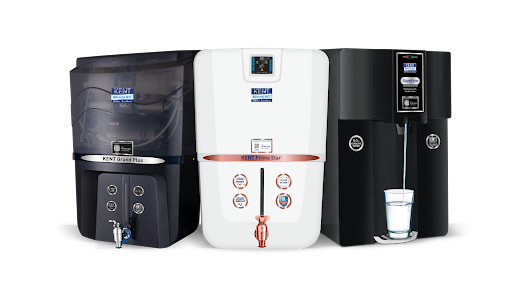
Reverse Osmosis, commonly known as RO, is one of the most widely used methods for treating drinking water at home. Many households use it because it helps remove impurities that may affect health. But an important question remains, Is drinking RO purified water safe for everyone, or are there situations where people should be more careful?
What Does RO Mean for Drinking Water Safety?
An RO system forces water through a fine membrane that filters out dissolved salts, heavy metals, chemicals, and some microorganisms. This process helps improve water quality and makes drinking water safer, especially in areas where the water supply may be highly contaminated. However, the same process also removes natural minerals, which changes the taste and sometimes raises concerns about whether completely demineralized water suits everyone. So, while RO makes water cleaner, people should understand how it affects drinking water before using it daily.
Is RO Water Safe for Daily Drinking?
For most healthy adults, RO purified water is generally safe for everyday use. It helps reduce possible exposure to harmful substances that may exist in untreated water. Many modern systems even include remineralization to balance taste and mineral levels. Still, the decision to drink RO water daily should depend on water quality in your area, health needs, and how well the system is maintained. When people understand what their system does, RO water can be a safe choice.
Who Should Be More Careful with RO Water?
Some people may need to think more carefully before drinking RO water regularly. Before looking at each case, it helps to understand that safety depends not only on the technology but also on personal health needs.
- Infants and very young children may not always benefit from demineralized water, especially when mixing formula.
- People with kidney conditions, electrolyte concerns, or other medical needs should ask a doctor before fully switching.
- Individuals living in areas where tap water already meets safety standards may not require continuous RO use.
RO water is not unsafe, but it may not be necessary or ideal in every situation. Understanding individual needs makes the decision safer.
How Maintenance Affects Safety?
Even the best RO system or water purifier only stays safe if people maintain it well. Before listing what matters, it is important to note that poor upkeep can affect filtration quality and water safety.
- Filters clog over time and need timely replacement.
- Membranes wear out and lose effectiveness if not serviced.
- Water quality testing helps ensure the system continues to function correctly.
- Ignoring maintenance can allow contaminants to pass through.
When people take care of their water purifier and stay aware of local water quality changes, they protect their health and ensure their drinking water remains safe.
Is RO the Right Choice for Everyone?
There is no single answer that fits every household. RO works best in places where water contains high dissolved solids, heavy metals, or contamination that basic filtration cannot handle. In locations with already clean municipal water, simpler treatment systems may work well. People should consider health needs, taste preferences, local water quality, and maintenance ability before deciding. Testing water quality before choosing treatment is always a smart step.
Conclusion
RO purified water is generally safe for most people and plays an important role in improving drinking water safety when contamination is present. However, it may not always be necessary or ideal for every person or every region. Health conditions, age groups like infants, and existing water quality should guide the decision. With proper understanding, routine maintenance, and informed choices, families can safely decide whether RO water suits their daily drinking needs.










+ There are no comments
Add yours