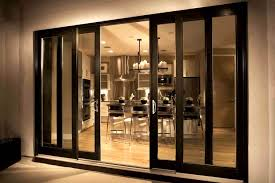
Designing small rooms requires careful planning, as limited dimensions directly affect how a space feels and functions, and sliding windows play a more significant role in this balance than is often recognised. In small bedrooms, kitchens, and workspaces, poorly planned sliding window layouts can disrupt wall continuity or limit how close furniture can be placed. For this reason, sliding windows are often better suited to compact interiors, as their operation supports practical layouts while maintaining comfort and visual clarity.
Why Small Rooms Need Space-Efficient Window Systems?
Limited room dimensions require fittings that work within the available footprint rather than against it. When windows swing inward or outward, they compete with furniture, curtains, and walking space. Over time, these restrictions reduce layout flexibility and everyday usability. In compact homes, similar logic applies to sliding doors, which also operate without requiring clearance space. Together, these systems support consistent spatial planning across rooms.
How do Sliding Windows Improve Space Usability?
Horizontal systems improve space usability by eliminating swing clearance and preserving functional wall and floor areas. Since the panels glide parallel to the wall, they maintain both floor area and visual balance.
This design allows:
- Flexible furniture placement near window walls
- Clear movement paths in narrow rooms
- Better alignment with wardrobes, counters, or shelving units
Unlike hinged windows, sliding systems maintain usability even in tight corners. When paired thoughtfully with sliding doors, especially in studio apartments or compact living areas, the result is a more functional interior layout.
Light and Ventilation Without Expanding the Room
Small rooms often struggle with airflow and daylight access. Poor ventilation can make confined spaces feel uncomfortable, while limited light reduces visual openness. Sliding windows support wider glass panels within slim frames, allowing more daylight to enter the room. Increased natural light creates a sense of transparency, which helps compact interiors feel less enclosed. At the same time, controlled sliding panels allow ventilation without sudden drafts or space disruption. This balance becomes vital in bedrooms and kitchens where air circulation affects daily comfort. Similar benefits are achieved when sliding doors connect balconies or utility areas, ensuring consistent airflow throughout the home.
Material Considerations for Compact Spaces
Material choice influences both performance and visual impact in small rooms. Bulky frames can overwhelm compact walls, while weak materials may warp over time. Aluminium-based sliding windows offer a practical balance. Slim profiles support larger glass areas without compromising structural strength. This combination helps maintain clear sightlines, visually expanding the room. Aluminium also resists moisture and temperature changes, making it suitable for kitchens and bathrooms. Using the same material across window and door openings helps maintain visual consistency in compact layouts.
Noise Control and Indoor Comfort
Urban homes often face external noise, which can feel amplified in small rooms. Effective window sealing becomes critical to maintaining indoor comfort. Well-designed windows incorporate proper interlocks, gaskets, and frame alignment to reduce air gaps. These features help control noise intrusion while maintaining smooth operation. Improved sealing also enhances thermal comfort, reducing reliance on artificial cooling. In layouts where sliding doors open into balconies or sit-out areas, similar sealing principles ensure that sound control remains consistent across the room envelope.
Ease of Maintenance in Tight Areas
Cleaning and maintaining windows in small rooms can be inconvenient, especially where access remains limited. Hinged systems often require additional clearance for safe cleaning. Sliding windows simplify this process. Their panels move within defined tracks, making cleaning manageable even in narrow spaces. Overall, horizontal window systems support better space efficiency, comfort, and usability in compact rooms. Their design allows for flexible furniture placement, controlled ventilation, and easier day-to-day maintenance, all of which are critical in limited interiors.
Planning Tips for Small Rooms
Selecting the right sliding windows requires attention to proportion and placement. Oversized frames may overwhelm a compact wall, while undersized openings can restrict light.
Key considerations include:
- Matching window width to wall dimensions
- Choosing an appropriate glass thickness for insulation
- Ensuring track quality for smooth long-term operation
Similar planning applies to sliding doors, especially where rooms connect to balconies or utility spaces. Thoughtful alignment between window and door systems improves overall spatial flow.
Conclusion
Small rooms benefit most from design choices that respect limited space while enhancing daily usability. Sliding windows meet this requirement by eliminating swing clearance, improving light access, and supporting flexible layouts. Their horizontal operation allows homeowners to maximise usable wall and floor space without sacrificing comfort. When paired with sliding doors, these systems provide a consistent approach to space management in compact homes. Careful selection of materials, proportions, and performance features ensures that small rooms remain functional, comfortable, and visually open for long-term living.









+ There are no comments
Add yours