
Wisdom teeth removal is one of the most common dental procedures, yet many people feel anxious or uncertain about it. If you are searching for information on wisdom teeth extraction, you are likely experiencing pain, discomfort, swelling, or have been advised by your dentist to consider removal. Understanding why wisdom teeth cause problems, when extraction is necessary, and what to expect before and after the procedure can help you make informed decisions with confidence.
What Are Wisdom Teeth?
Wisdom teeth, also known as third molars, are the final set of teeth to develop, usually emerging between the ages of 17 and 25. While some people have no issues with their wisdom teeth, many experience complications due to limited space in the jaw. When wisdom teeth do not have enough room to erupt properly, they can become impacted, partially erupted, or grow at an angle.
Why Wisdom Teeth Often Need Removal
Wisdom teeth removal is recommended when these teeth pose a risk to oral health. Common reasons for extraction include:
- Impaction: Wisdom teeth trapped beneath the gums or bone can cause pain, infection, and damage to surrounding teeth.
- Crowding: Emerging wisdom teeth may push adjacent teeth out of alignment.
- Decay and gum disease: Partially erupted wisdom teeth are difficult to clean, making them prone to cavities and gum infections.
- Cysts or infections: Impacted teeth can lead to cyst formation, which may damage the jawbone and nearby nerves.
Early removal is often advised to prevent these complications and reduce the likelihood of more complex surgery later in life.
Signs You May Need Wisdom Teeth Extraction
Many users search for wisdom teeth removal after noticing symptoms such as:
- Persistent jaw pain or stiffness
- Swollen or bleeding gums at the back of the mouth
- Difficulty opening the mouth
- Bad breath or an unpleasant taste
- Headaches or ear pain linked to jaw pressure
A dental examination and X-rays are essential to determine whether wisdom teeth extraction is necessary.
The Wisdom Teeth Removal Procedure
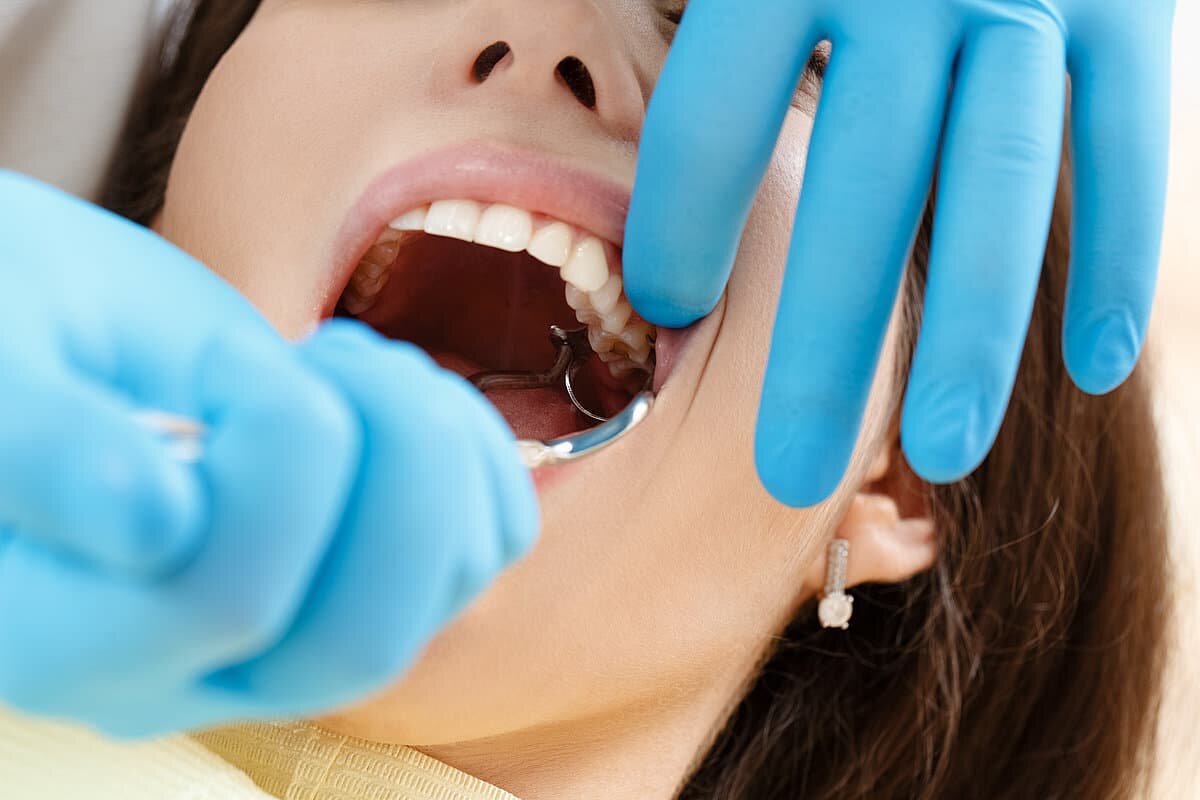
One of the most common concerns is whether wisdom teeth removal is painful. The procedure itself is performed under local anaesthesia, sedation, or general anaesthesia, depending on the complexity of the case and patient comfort.
The dentist or oral surgeon will:
- Numb the area completely
- Make a small incision if the tooth is impacted
- Remove the tooth, sometimes in sections
- Clean the site and apply stitches if required
Modern techniques ensure the procedure is safe, efficient, and as comfortable as possible.
Recovery and Aftercare
Recovery after wisdom teeth extraction typically takes a few days to a week. Mild swelling, tenderness, and discomfort are normal during the first 48–72 hours. Proper aftercare plays a key role in fast healing and complication prevention.
Important aftercare tips include:
- Apply cold compresses to reduce swelling
- Take prescribed medications as directed
- Avoid smoking or using straws for several days
- Eat soft foods such as yogurt, soup, and mashed vegetables
- Maintain oral hygiene without disturbing the extraction site
Following your dentist’s instructions carefully helps prevent issues such as dry socket and infection.
Benefits of Timely Wisdom Teeth Removal
Removing wisdom teeth at the right time offers several long-term benefits. It helps prevent overcrowding, protects adjacent teeth from damage, reduces the risk of infection, and supports overall oral health. Younger patients often experience faster healing and fewer complications because the jawbone is less dense and the roots are not fully developed.
Is Wisdom Teeth Removal Always Necessary?
Not everyone needs their wisdom teeth removed. If wisdom teeth are fully erupted, properly aligned, and easy to clean, they may not require extraction. However, regular dental check-ups are essential to monitor any changes. Dentists often recommend proactive removal when there is a high risk of future problems, even if symptoms are not yet present.
Choosing the Right Dental Professional
Selecting an experienced dentist or oral surgeon is crucial for safe wisdom teeth removal. A qualified professional will assess your condition, explain the procedure clearly, discuss anaesthesia options, and provide detailed aftercare guidance. This ensures a smooth experience from consultation to recovery.
Final Thoughts
Wisdom teeth removal is a routine dental procedure designed to protect your oral health and prevent future complications. If you are experiencing discomfort or have been advised to consider extraction, seeking professional evaluation early can save you from pain and more complex treatment later. With modern dental care, wisdom teeth extraction is safe, effective, and manageable when performed by skilled professionals.
If you suspect your wisdom teeth may be causing issues, schedule a dental consultation to explore your options and take the first step toward long-term oral comfort and health.
Wisdom teeth removal is one of the most common dental procedures, yet many people feel anxious or uncertain about it. If you are searching for information on wisdom teeth extraction, you are likely experiencing pain, discomfort, swelling, or have been advised by your dentist to consider removal. Understanding why wisdom teeth cause problems, when extraction is necessary, and what to expect before and after the procedure can help you make informed decisions with confidence.
What Are Wisdom Teeth?
Wisdom teeth, also known as third molars, are the final set of teeth to develop, usually emerging between the ages of 17 and 25. While some people have no issues with their wisdom teeth, many experience complications due to limited space in the jaw. When wisdom teeth do not have enough room to erupt properly, they can become impacted, partially erupted, or grow at an angle.
Why Wisdom Teeth Often Need Removal
Wisdom teeth removal is recommended when these teeth pose a risk to oral health. Common reasons for extraction include:
- Impaction: Wisdom teeth trapped beneath the gums or bone can cause pain, infection, and damage to surrounding teeth.
- Crowding: Emerging wisdom teeth may push adjacent teeth out of alignment.
- Decay and gum disease: Partially erupted wisdom teeth are difficult to clean, making them prone to cavities and gum infections.
- Cysts or infections: Impacted teeth can lead to cyst formation, which may damage the jawbone and nearby nerves.
Early removal is often advised to prevent these complications and reduce the likelihood of more complex surgery later in life.
Signs You May Need Wisdom Teeth Extraction
Many users search for wisdom teeth removal after noticing symptoms such as:
- Persistent jaw pain or stiffness
- Swollen or bleeding gums at the back of the mouth
- Difficulty opening the mouth
- Bad breath or an unpleasant taste
- Headaches or ear pain linked to jaw pressure
A dental examination and X-rays are essential to determine whether wisdom teeth extraction is necessary.
The Wisdom Teeth Removal Procedure
One of the most common concerns is whether wisdom teeth removal is painful. The procedure itself is performed under local anaesthesia, sedation, or general anaesthesia, depending on the complexity of the case and patient comfort.
The dentist or oral surgeon will:
- Numb the area completely
- Make a small incision if the tooth is impacted
- Remove the tooth, sometimes in sections
- Clean the site and apply stitches if required
Modern techniques ensure the procedure is safe, efficient, and as comfortable as possible.
Recovery and Aftercare
Recovery after wisdom teeth extraction typically takes a few days to a week. Mild swelling, tenderness, and discomfort are normal during the first 48–72 hours. Proper aftercare plays a key role in fast healing and complication prevention.
Important aftercare tips include:
- Apply cold compresses to reduce swelling
- Take prescribed medications as directed
- Avoid smoking or using straws for several days
- Eat soft foods such as yogurt, soup, and mashed vegetables
- Maintain oral hygiene without disturbing the extraction site
Following your dentist’s instructions carefully helps prevent issues such as dry socket and infection.
Benefits of Timely Wisdom Teeth Removal
Removing wisdom teeth at the right time offers several long-term benefits. It helps prevent overcrowding, protects adjacent teeth from damage, reduces the risk of infection, and supports overall oral health. Younger patients often experience faster healing and fewer complications because the jawbone is less dense and the roots are not fully developed.
Is Wisdom Teeth Removal Always Necessary?
Not everyone needs their wisdom teeth removed. If wisdom teeth are fully erupted, properly aligned, and easy to clean, they may not require extraction. However, regular dental check-ups are essential to monitor any changes. Dentists often recommend proactive removal when there is a high risk of future problems, even if symptoms are not yet present.
Choosing the Right Dental Professional
Selecting an experienced dentist or oral surgeon is crucial for safe wisdom teeth removal. A qualified professional will assess your condition, explain the procedure clearly, discuss anaesthesia options, and provide detailed aftercare guidance. This ensures a smooth experience from consultation to recovery.
Final Thoughts
Wisdom teeth removal is a routine dental procedure designed to protect your oral health and prevent future complications. If you are experiencing discomfort or have been advised to consider extraction, seeking professional evaluation early can save you from pain and more complex treatment later. With modern dental care, wisdom teeth extraction is safe, effective, and manageable when performed by skilled professionals.
If you suspect your wisdom teeth may be causing issues, schedule a dental consultation to explore your options and take the first step toward long-term oral comfort and health.












+ There are no comments
Add yours