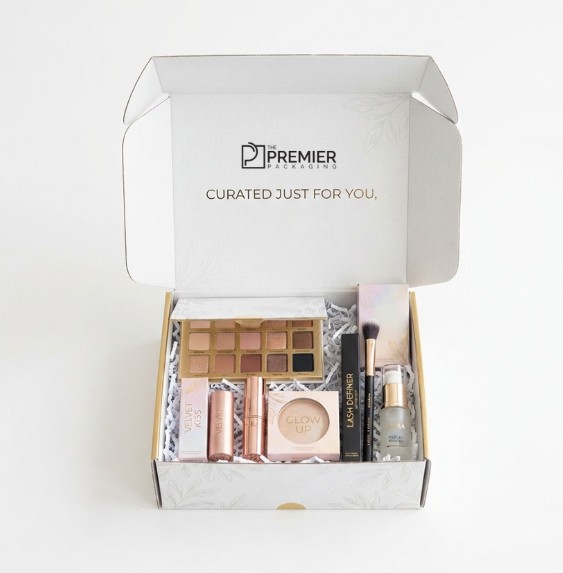
I was in a Sephora a while back watching a woman pick up two lip oils, look at them for maybe three seconds each, and put one back. She hadn’t opened either one. Hadn’t smelled them, hadn’t checked the ingredients. She just liked how one of the tubes felt in her hand better. That’s the whole game right there, and it’s why custom cosmetic packaging has quietly become one of the bigger battlegrounds in beauty right now.
Nobody talks about packaging the way they talk about formulas or “clean” ingredients, but it’s doing a huge amount of the selling before a customer ever gets that far.
Packaging Used to Be an Afterthought. Not Anymore.
Ten, fifteen years ago, a lot of brands treated packaging like a shipping problem to solve, not a marketing opportunity. Get the product made, find a container that fits, print a label, done. You can still find brands doing this and honestly, you can tell just by looking at the shelf which ones they are.
That approach doesn’t hold up now. People compare products constantly, on Instagram, on TikTok unboxing videos, at the counter next to three other brands doing basically the same serum. If your packaging looks cheap or generic, customers assume the product is too, even when that’s not fair or true.
There’s a functional side to this too that gets ignored. A badly designed jar lets air into a vitamin C serum and it goes brown in a month. A flimsy pump breaks after twenty uses. Packaging isn’t just image, it’s protecting what you spent money developing.
The Sustainability Thing Isn’t Going Away
I’ll be honest, a few years ago “eco-friendly packaging” felt like a box brands checked to look good. Now it’s closer to a requirement, especially with younger buyers who will straight up ask in reviews why something isn’t refillable.
What this looks like in practice, from what I’ve seen:
Glass and aluminum replacing plastic in a lot of skincare lines. Refill pouches showing up for foundations and moisturizers instead of making people buy a whole new bottle. Smaller boxes, because less material means less cost and less waste, which, let’s be real, helps the brand’s margins as much as the planet.
It’s not pure altruism and nobody should pretend it is. But it works. Customers do talk about brands whose values line up with theirs, and that kind of word of mouth is worth more than a lot of paid ads.
Minimalism Won, At Least for Now
Open any beauty account on Instagram and you’ll see the same visual language repeating. Beige tubes. Muted pink. Thin sans-serif fonts with a lot of empty space around them. It’s basically become shorthand for “this is a clean, trustworthy brand,” whether or not that’s actually true of what’s inside.
Part of why it works is dumb and practical: it photographs well on a phone. That matters more than it used to since most first impressions of a product now happen on a screen, not in a store.
But minimalist doesn’t have to mean boring, and the better brands know that. A slightly raised logo you can feel with your thumb. A matte finish that isn’t quite like anyone else’s matte finish. Small stuff, but it’s exactly the kind of detail you can only get from custom packaging, not something pulled off a shelf of stock containers.
Personalization Is Trickling Down
Personalized packaging used to be a holiday thing, or something only luxury brands bothered with. That’s shifting. Smaller brands are doing initials on compacts now, limited color drops tied to specific customer groups, stuff like that.
It works because people like feeling like something was made with them in mind, even if, realistically, it was made for ten thousand other people too. Doesn’t matter. The feeling still lands. And because manufacturing has gotten more flexible, even a small indie brand can pull this off now without needing a massive order size, which used to be the whole obstacle.
Function Still Matters, Even Though Nobody Wants to Talk About It
It’s easy to get excited about how something looks and forget it also has a job to do. A beautiful jar that cracks in a suitcase, or an eyeshadow palette that shatters after one drop on a tile floor, costs a brand way more in refunds and one-star reviews than any design win is worth.
A few things brands are actually fixing right now: airless pumps so active ingredients don’t break down as fast, smaller sizes that fit airline carry-on rules without a fuss, tamper-evident seals (counterfeits are a real problem in this industry, more than people realize), and packaging that people with limited hand strength can actually open without a fight.
None of it is exciting to talk about. But get it wrong, and no amount of pretty design saves the experience.
Packaging That Actually Talks Back
QR codes on Custom cosmetic boxes used to feel like a gimmick, something you’d scan once out of curiosity and never again. Now they’re being used more seriously. Link to a sourcing page, a how-to video, a loyalty sign-up. A few brands are testing NFC tags that do roughly the same thing with a tap instead of a scan.
This connects to something bigger. People don’t just want claims anymore, they want some kind of proof behind them. Packaging that links to real information does more for trust than a well-designed label ever could on its own.
What Brands Should Actually Do About This
Chasing every trend that shows up on your For You page isn’t a strategy. It’s just expensive noise. What actually works is staying consistent with what your brand is about and paying attention to what customers expect, not what looks cool for a week.
A few practical starting points: look honestly at your current packaging and find the sustainability gaps first. Test a stripped-down redesign against what you’re using now and actually track whether it converts better. Try personalization small before rolling it out brand-wide. And find a packaging partner who understands the regulatory side of cosmetics, not just design, because getting that wrong is a much bigger headache than a bad font choice.
Bottom Line
Trends will keep changing, that part’s not up for debate. But the brands doing well long term aren’t the ones chasing every new packaging fad that pops up online. They’re the ones that treat packaging like it’s actually part of who they are, not decoration tacked on at the end. Get that right and the box starts selling the product before anyone’s even read the label.










+ There are no comments
Add yours