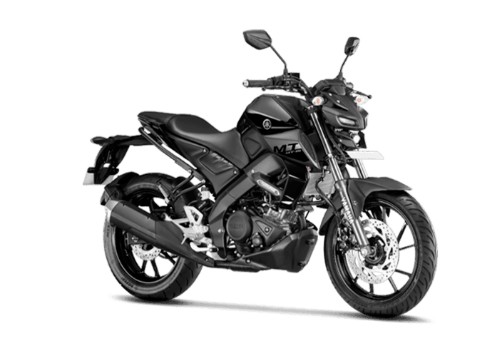
The Yamaha MT-15 V2 Bike is an option for riders who want a compact, aggressive-looking motorcycle with a performance-focused 155 cc engine. Its attraction comes from a combination of liquid cooling, a six-speed gearbox and modern rider aids rather than engine size alone. What matters most is how the MT-15 behaves at city speeds, on open roads and during longer periods in the saddle.
Engine performance and technology
Yamaha’s official specification lists a 155 cc, liquid-cooled, four-valve engine with fuel injection. The referenced MT-15 V2 produces 18.4 PS at 10,000 rpm and 14.1 Nm at 7,500 rpm, paired with a six-speed transmission. Variable Valve Actuation, known as VVA, is part of the engine’s technology and is intended to support useful characteristics across a range of engine speeds. Peak output is not the speed at which most people commute, so judge the motor at ordinary throttle openings too.
An assist-and-slipper clutch is among the motorcycle’s specified features. Notice how the motorcycle pulls away with minimal throttle, how easily the first few gears shift and whether the engine feels relaxed enough at the highway pace you typically maintain. Those observations are more useful than one maximum-power number.
Handling and the Deltabox frame
The MT-15 V2 uses Yamaha’s Deltabox frame design, and the manufacturer’s information specifies an upside-down front fork with a rear linked-type Monocross suspension. The chassis layout is intended to support responsive handling, although confidence still depends on tyre condition, road texture and rider ability.
The listed 810 mm seat height and compact overall size may suit many riders, but the seat’s shape affects actual reach to the ground. Wear your riding boots for the test. Try a controlled slow turn, a safe moderate brake application and a stretch of damaged tarmac.
Electronic aids and instrument information
The official MT-15 V2 product page highlights traction control and ABS in the specified configuration, with dual-channel ABS indicated in current product information. Traction control is not permission to accelerate hard on slippery road paint, and ABS does not remove the need for a safe following distance. Learn the equipment installed on the actual variant before delivery.
Some editions offer a colour TFT display, connected functions and turn-by-turn navigation, while others have a different instrument arrangement. Yamaha’s product information distinguishes features by trim, so do not assume a particular screen or phone function is standard across all colours and variants. Ask the salesperson to demonstrate pairing and check display readability under daylight. A feature that requires frequent phone handling while riding is best configured before departure.
Design and ergonomics for a street motorcycle
The MT-15 V2’s upright handlebar and compact stance differ from the more tucked-in ergonomics of a faired Yamaha sport bike. This can be attractive for everyday movement, but comfort is not guaranteed. During a test ride, note pressure on your wrists, how the tank supports your knees and whether the mirrors provide an unobstructed view.
Pillion accommodation may be a more meaningful compromise than the performance figures. Examine seat dimensions, footpeg placement and safe grab points if you regularly carry someone. If you often travel as a pair, include passenger comfort in the purchase decision even if solo handling is your initial reason for considering the MT-15.
Mileage and the limits of a tank-capacity calculation
Yamaha lists a 10-litre fuel tank for the referenced MT-15 V2. A higher-revving ride through traffic may consume more fuel than steady movement on an open road. Track several normal trips before forming a firm expectation of your costs.
Maintaining tyres at recommended pressures, servicing the air filter and lubricating the chain can help preserve consistent operation. Do not skip scheduled checks simply because the motorcycle appears to run normally. Expensive consumables can become a surprise for a first-time performance-bike owner, so ask for current tyre specifications and service estimates before buying. Avoid low-quality modifications that may compromise reliability or applicable approvals.
MT-15 V2 and the Yamaha R15 V4 serve different purposes
A buyer searching for R15 V4 price may also consider the MT-15 V2 because both use a 155 cc class engine with performance-oriented technology. The important difference is packaging and riding intent. The MT-15 is a naked street bike, while the R15 V4’s fairing and more committed sport-bike stance create a different rider experience. The relationship is not simply that one model is a cheaper or slower version of the other.
Compare test rides on your everyday route. Insurance, available equipment and purchase quotations also differ by version. Evaluate the models independently and do not infer exact pricing from shared engine capacity.
Price, servicing and practical ownership
Ex-showroom prices depend on the variant, city and current manufacturer revisions. Include protective clothing, insurance renewals, scheduled maintenance and expected consumables in the budget. Performance-oriented tyres and parts may differ in price from simple commuter components, and a nearby authorised workshop can make routine ownership considerably easier.
Read warranty conditions before fitting aftermarket components, and avoid alterations that affect exhaust emissions, lighting compliance or safety systems. Inspect the chain, tyres and brakes frequently if you ride in rain or dusty conditions. Keep a record of service visits and reports of unusual vibration or warning lights.
How to judge whether the MT-15 V2 belongs in your garage
Arrange a realistic test ride, verify the exact electronic and braking features of the offered Yamaha MT-15 V2, and compare the seating posture with your normal riding needs. If another Yamaha motorcycle is under consideration, try it on a similar route rather than relying on an online price comparison. Choose the machine whose engine response, handling, passenger accommodation and ownership costs fit your life after the initial excitement of its styling has passed.










+ There are no comments
Add yours