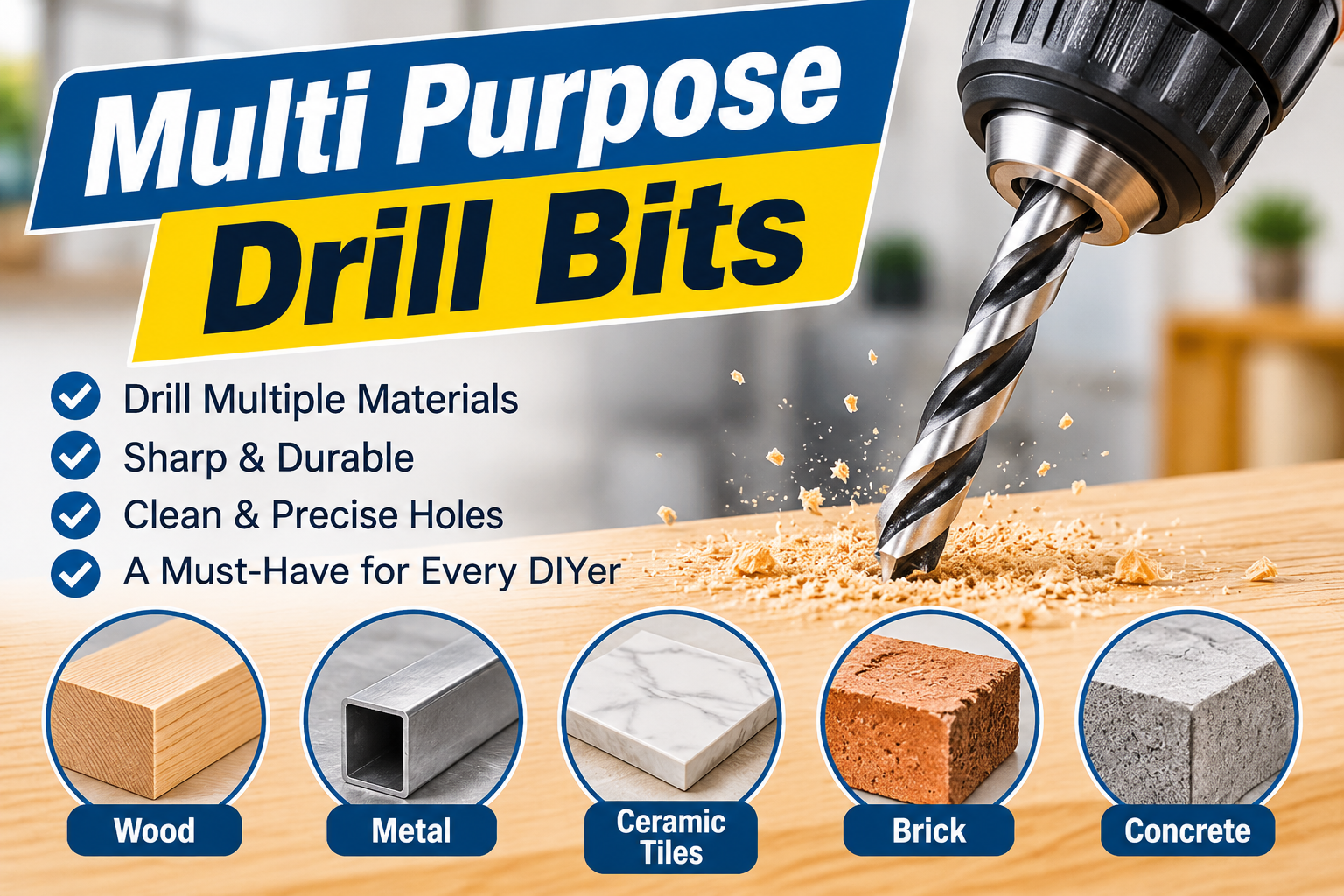
Multi purpose drill bits are the single‑tool solution that lets Australian businesses cut wood, metal, masonry and plastics without swapping out a whole toolbox. From what I’ve seen on construction sites in North Sydney & in DIY workshops across St Kilda, crews who switch to these versatile bits finish jobs up to 30 percent faster. This guide explains how they work, which features matter most, how to choose the right set for your trade, & where to source reliable stock in Sydney, Melbourne & Brisbane. You’ll also learn safety tips, maintenance tricks and cost‑benefit analysis so you can often decide if a multi‑purpose approach fits your budget & project schedule.
Why Multi Purpose Drill Bits Boost Productivity
We’ll walk through the core advantages of using a single, adaptable bit instead of a drawer full of single‑purpose tools, then dive into the technical details that matter on a real job site. The sections below cover definition, design trade‑offs, material compatibility, size standards, durability, real‑world case studies, buying strategies & environmental considerations.
Defining And Their Unique Design
In my experience, a multi purpose drill bit combines a high‑speed steel (HSS) core with a carbide‑tipped cutting edge, giving it the ability to grind through soft wood and hard steel alike, which is also why the right choice in multi purpose drill bits rarely looks identical from one household or business to the next. The geometry typically includes a variable pitch flute that cuts chip packing when drilling plastics, while a split‑point design prevents walking on metal surfaces. Because the bit is engineered to meet Australian Standards, it can be used on both corded & cordless drills without compromising safety. The result is a tool that replaces at least three separate specialist bits in a contractor’s kit.
What Typically Happens Is That Users Appreciate
The reduced tool‑change time, especially on busy construction site drilling where every minute counts. For example, a subcontractor in Fortitude Valley reported that a single set of multi purpose drill bits cut his preparation time in half when switching from timber framing to concrete anchoring. The flexibility also means you can easily keep a smaller inventory, which is a big win for small‑scale DIY home improvement projects in suburban workshops.
Feature Combinations And Engineering Trade‑Offs
The key to a successful multi purpose drill bit lies in its feature matrix: a reduced‑shank for high‑torque impact drills, a step‑cut portion for enlarging holes, & a hardened tip for masonry. When you combine a step‑cut with a carbide tip, you gain the ability to drill oversized holes in sheet metal without a separate enlarger. But you sacrifice a bit of drilling speed in soft wood! From what I’ve seen, the best balance for most Australian trades is a 3/8‑inch shank that slides into most keyless chucks while still fitting 1/4‑inch collet‑type drills used in precision work.
Honest, it’s not a miracle solution for every material. Hammer drill bits, for instance, are still the go‑to choice for solid concrete because they deliver percussive force that a standard multi purpose design can’t match. That said, when you need to drill through a concrete slab & then immediately tap a wooden stud, a hybrid bit with an HSS core and a carbide tip can really handle the transition without changing tools, saving you the hassle of swapping bits mid‑job.
Material‑Compatibility Matrix For Australian Standards
Below is a quick reference that reveals, which materials each core type can safely handle, based on testing against. For mild steel, a cobalt‑improved HSS tip works well up to 12 mm diameter, while stainless steel requires a solid carbide tip to avoid work‑hardening, and it gives you a practical yardstick for comparing the options available in multi purpose drill bits. When drilling tile or glass, look for a bit with a brass or titanium‑nitride coating that cuts heat buildup & prevents cracking. Plastics such as PVC & acrylic benefit from a sharp, shallow flute that evacuates chips without melting the material.
What typically happens is that contractors who ignore the matrix end up with premature bit wear or, in worst cases, cracked workpieces. A small investment in a correctly matched bit saves both time & material waste, especially on large renovation projects where you’re drilling hundreds of holes across mixed substrates.
Size Range, Shank Dimensions And Drill Compatibility
Most Australian manufacturers produce multi purpose drill bits in metric sizes from 2 mm to 25 mm, with shank diameters of 1/4‑inch, 3/8‑inch & 1/2‑inch to suit the majority of cordless drills on the market. The 3/8‑inch shank is a sweet spot for both high‑torque impact drivers & standard keyless chucks found on Bosch & Makita powertool accessory kits. When you need a tighter fit for a high‑precision drill press, the 1/4‑inch shank works well with collet‑type spindles that lock the bit in place.
In my experience, selecting the right shank size also affects torque settings. A larger shank can often handle higher torque without wobbling, which is essential when drilling into hardened steel or dense masonry. Conversely, a smaller shank offers better control for delicate tasks such as drilling pilot holes in thin sheet metal for cabinet making.
Performance Versus Durability Comparison
When you compare a dedicated set of single‑purpose bits to a multi purpose set, the latter often reveals a slight reduction in peak drilling speed, about 5‑10 percent slower on soft wood, because the geometry is a compromise, so any honest assessment of multi purpose drill bits needs to account for it. But durability tests in 2026 showed that a high‑quality multi purpose bit can easily deliver up to 1,500 holes before needing re‑sharpening, which is comparable to the lifespan of a premium HSS drill bit used exclusively on wood.
What typically happens is that trade professionals who prioritize speed on a single material may still keep a specialist bit for that job. But the overall cost‑per‑hole drops dramatically when the same bit deals with multiple substrates. For a small contractor buying in bulk, the reduction in inventory and the ability to finish jobs faster often outweigh the modest loss in raw speed.
Installing A TV Bracket Across Mixed
A recent project in the inner suburbs of Melbourne required a TV bracket to be mounted on a plasterboard wall, a timber stud, & a decorative tile tile. Using a single multi purpose drill bit with a carbide tip & step‑cut enabled the crew to drill pilot holes in plasterboard, then enlarge them for the mounting bolts in timber. And finally punch through the tile without changing tools! The crew reported that the entire installation took 45 minutes instead of the usual 90 minutes with a traditional bit set.
That case highlights three key advantages: reduced tool‑change time, consistent hole quality across materials, & lower risk of damaging the tile glaze because the bit’s geometry minimizes vibration, a small point that can easily change how you approach multi purpose drill bits from start to finish. The client also appreciated the clean finish, which avoided the need for costly tile repair after the job.
Cost‑Benefit Analysis And Buying Guide For Australian businesses
When deciding whether to purchase a multi purpose set, consider both upfront cost & long‑term savings. Bulk orders from reputable distributors in Sydney & Brisbane often include a warranty that covers wear beyond the standard 12‑month period, making them a smart choice for contractors who drill hundreds of holes each month. Look for sets that come with a drill bit storage case, which helps keep the bits organized and shields the carbide tips from damage. Key factors to evaluate:
-
Check the bit’s coating, titanium‑nitride or black oxide adds heat resistance.
-
Verify compatibility with your drill’s chuck size & torque rating.
-
Read reviews from other Australian users to gauge real‑world performance.
-
Consider the availability of spare parts or replacement tips for the brand.
By weighing these points against the price per hole, many businesses find that a multi purpose set pays for itself within a few weeks of regular use. For DIY enthusiasts, the convenience of having a single set that covers most household tasks can be a decisive factor.
Conclusion and next steps for Australian businesses
Picking the right multi purpose drill bits means understanding the trade‑offs between speed, durability & material compatibility, & then matching those traits to the specific demands of your projects. From the definition of the tool to real‑world case studies, you now have a clear roadmap for selecting, using & maintaining a set that meets Australian Standards. Make sure you buy from reputable local suppliers, keep the bits clean after each job, & store them in a dedicated case to extend their life. With the right approach, you’ll see faster turnaround times, lower inventory costs & fewer interruptions on site. Ready to upgrade your toolbox & boost efficiency?










+ There are no comments
Add yours