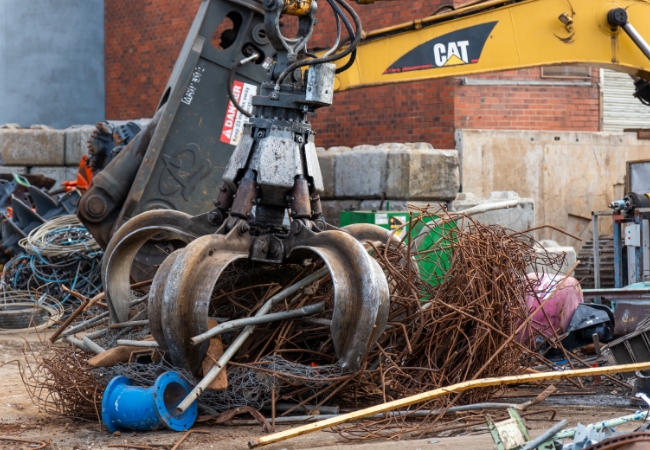
As industries grow and communities consume more products, managing waste has become an important environmental responsibility. Metal is one of the most valuable materials that can be recovered and reused rather than sent to landfill. From aluminium cans and steel containers to copper wiring and old machinery, many everyday and industrial metal products can be processed into useful new materials.
Metal Recycling offers an effective way to conserve natural resources, reduce waste and support a more sustainable economy. Whether you are a homeowner, business owner or industrial operator, understanding how metal recovery works can help you make more environmentally responsible decisions.
What Is Metal Recycling?
Metal recycling is the process of collecting, sorting, processing and reusing discarded metal materials to manufacture new products. Unlike many other waste materials, metals can often be recycled repeatedly without significantly losing their essential properties.
Common recyclable metals include:
- Aluminium: Found in beverage cans, window frames and vehicle components.
- Steel: Commonly used in construction materials, appliances and machinery.
- Copper: Recovered from electrical cables, plumbing and industrial equipment.
- Brass: Found in fittings, valves and decorative products.
- Stainless Steel: Used in kitchen equipment, manufacturing and construction.
Recovering these materials reduces the need to extract and process additional raw resources.
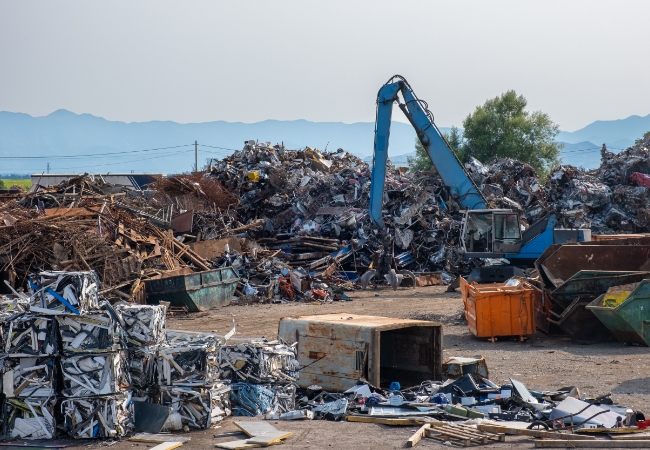
How Does the Metal Recycling Process Work?
Understanding the recycling process helps explain how discarded materials become valuable resources again. Although procedures vary depending on the metal type and facility, the general process involves several important stages.
- Collection and Transportation
The process begins with collecting unwanted metal from households, construction sites, manufacturing facilities and commercial businesses. Materials are transported to recycling facilities for further processing.
- Sorting and Separation
Different metals must be separated according to their properties. Magnetic equipment can identify and separate many types of steel, while other technologies help distinguish aluminium, copper and non-ferrous metals.
- Cleaning and Preparation
Collected materials may contain paint, plastic, rubber or other unwanted substances. These contaminants are removed where possible to improve the quality of the recovered metal.
- Shredding and Processing
Large metal objects are cut or shredded into smaller pieces. This makes the materials easier to handle, transport and prepare for melting.
- Melting and Manufacturing
The prepared metal is melted in specialised furnaces and processed according to its material requirements. The recovered metal can then be used to manufacture new products, components and construction materials.
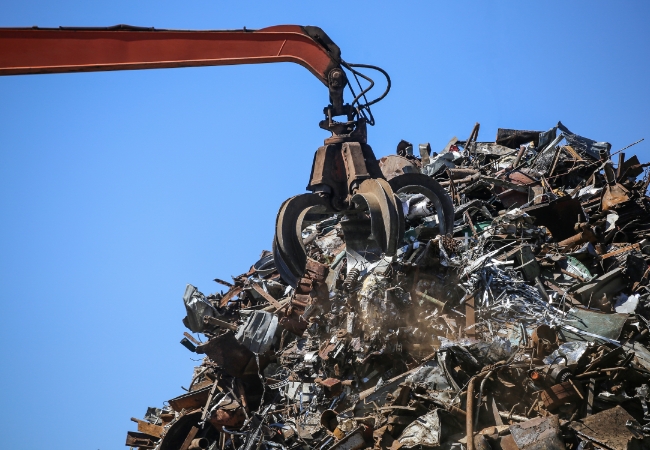
What Are the Environmental Benefits of Metal Recycling?
One of the biggest advantages of metal recovery is its positive impact on the environment. Reusing existing materials helps reduce the environmental pressure associated with mining, manufacturing and waste disposal.
Conserves Natural Resources
Mining requires the extraction of valuable materials from the earth. Recovering existing metals reduces the demand for newly mined resources and helps preserve natural reserves for future generations.
Reduces Energy Consumption
Producing metal from recovered materials can require considerably less energy than manufacturing it from virgin ores. The actual savings depend on the metal type and processing method.
Minimises Landfill Waste
Discarded metal products can occupy valuable landfill space. Recycling provides an alternative disposal pathway and keeps reusable materials within the production cycle.
Supports Lower Emissions
Reducing the need for certain mining and manufacturing activities can help lower associated greenhouse gas emissions. This makes material recovery an important part of broader sustainability initiatives.
Why Is Metal Recycling Important for Australian Businesses?
Australian businesses generate different types of metal waste through construction, demolition, manufacturing, automotive repairs and everyday commercial operations.
Instead of treating unwanted metal as general rubbish, businesses can identify recyclable materials and arrange suitable collection services.
For construction companies, recovering steel beams, aluminium frames and copper wiring can improve waste management practices. Manufacturing businesses can also recover production offcuts and unused metal components.
Choosing responsible Metal Recycling practices can help businesses:
- Reduce unnecessary waste disposal.
- Improve workplace waste management.
- Recover potential value from unwanted materials.
- Support environmental sustainability goals.
- Demonstrate responsible resource management.
Businesses should work with reputable recycling providers and maintain appropriate records where required.
Which Metals Can Be Recycled?
Most common metals have recycling pathways, although acceptance depends on their condition, composition and the facility’s capabilities.
Ferrous metals, such as iron and steel, contain iron and are generally magnetic. Non-ferrous metals, including aluminium, copper, brass and lead, do not have the same magnetic properties.
Copper is particularly valuable because it is widely used in electrical systems and plumbing. Aluminium is also commonly recovered from packaging, transport components and building materials.
Before taking materials to a recycling centre, separate different metal types where practical. Remove obvious non-metal attachments when safe to do so, and ask the facility about its acceptance requirements.
How Can Individuals Contribute to Better Metal Waste Management?
Sustainable waste management does not depend only on large industries. Individuals can make meaningful contributions through simple everyday habits.
Start by separating recyclable metal products from general household waste. Keep aluminium cans, steel containers and other accepted metal items in suitable recycling containers.
For larger items, such as old appliances, vehicle components or renovation materials, contact a local recycling facility to understand collection and preparation requirements.
Avoid placing hazardous or contaminated materials into ordinary recycling bins. Batteries, gas cylinders and chemical containers may require specialised handling and should be managed according to local safety guidance.
Frequently Asked Questions About Metal Recycling
- Can metal be recycled more than once?
Yes. Many metals, including aluminium, steel and copper, can be recycled repeatedly without losing their fundamental material properties. However, contamination and processing quality can affect the final product.
- Which metals are most commonly recycled?
Steel, aluminium, copper and brass are among the commonly recovered metals. Their demand across construction, manufacturing, transport and electrical industries supports ongoing recycling activity.
- Is metal recycling profitable?
It can provide financial value because certain recovered metals have resale markets. However, the amount received depends on metal type, purity, quantity, market prices and transportation costs.
- Where can I recycle scrap metal in Australia?
You can contact local scrap metal dealers, recycling centres and specialised waste management companies. Check their accepted materials, operating requirements and collection options before visiting.
- Does recycling metal help protect the environment?
Yes. Recovering and reusing metal can reduce demand for virgin resources, lower energy requirements for certain production processes and divert reusable materials from landfill.
Conclusion
Metal recovery is an important part of building a more sustainable future. By collecting and reprocessing unwanted materials, households and businesses can reduce waste, conserve valuable resources and support responsible manufacturing.
Whether you are managing household scrap, commercial waste or industrial metal materials, choosing suitable recycling solutions makes a practical difference. With greater awareness and responsible disposal habits, Metal Recycling can contribute to a cleaner environment and a more resource-efficient economy.






+ There are no comments
Add yours