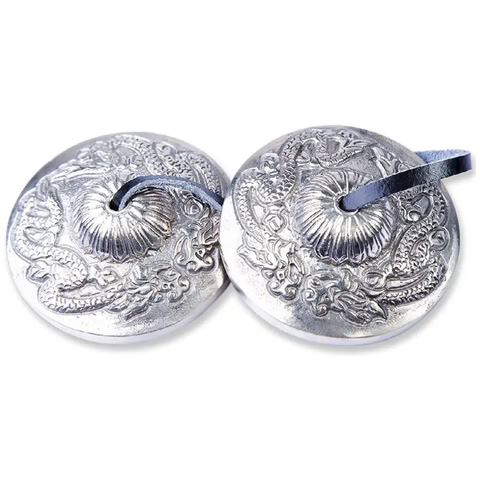
Tingsha bells are small, paired cymbals traditionally used in Himalayan Buddhist practices, meditation, prayer, and rituals. Their clear, lingering tone can help mark the beginning or end of a session, invite attention, and create a calm atmosphere. When people wish to order tingsha bells online, it helps to understand their purpose, construction, sound, and cultural background before choosing a pair. A thoughtful purchase is not only about appearance; it is also about finding an instrument that suits the way it will be used.
What to Consider Before Choosing a Pair
Before making a purchase, consider how you plan to use the bells. A pair intended for regular meditation may need a comfortable size and a tone that feels gentle rather than sharp. For ceremonial use, you may prefer a traditional design and a sound that carries clearly through a larger room.
Useful points to check include:
- Sound quality: Listen for a clear, balanced ring without harsh rattling or an unusually short decay.
- Craftsmanship: Look for smooth edges, secure joining, and cymbals that appear evenly shaped.
- Size and weight: Smaller pairs are convenient for travel, while larger ones may create a fuller sound.
- Design: Traditional symbols and decorative details can add cultural character, but should not replace attention to quality.
- Intended use: Choose a tone and size that feel appropriate for meditation, ritual, teaching, or personal practice.
For those exploring different options, taking time to order tingsha bells online after comparing their construction, dimensions, and sound descriptions can make the buying experience more rewarding.
The Importance of Materials and Making
Tingsha bells are commonly made from metal alloys. The precise composition and making method can influence their weight, durability, and resonance. Handcrafted pairs may show small variations because each piece is shaped and finished by an artisan. Such differences are not automatically flaws; they can be part of the character of handmade work. However, both cymbals should fit comfortably in the hand and produce a pleasing, coordinated sound.
Respecting Cultural Meaning
Tingsha bells are more than decorative objects. In traditional settings, their sound may signal transitions in a practice, focus attention, or accompany a ritual. Their use can vary between communities and teachers, so it is helpful to approach them with respect rather than treating them as ordinary ornaments. Learning about their background gives buyers a better understanding of why these instruments are valued.
When choosing a pair, look beyond attractive patterns and consider the people and skills involved in making it. Supporting Himalayan craftsmanship means valuing responsible craft practices, honest descriptions, and respect for cultural knowledge. It also means avoiding exaggerated claims about spiritual effects. A tingsha can support a meaningful routine, but its sound does not replace personal practice, guidance, or individual belief.
Buying with Confidence
Online shopping makes it possible to compare designs and find instruments from specialist sellers, even when local stores have limited choices. A reliable retailer for tingsha bells should provide useful details about size, materials, finish, origin where known, and care. Product photographs should be clear, and descriptions should explain what is included in the purchase.
Before placing an order, check:
- Whether the product description identifies the material and approximate dimensions.
- Whether the seller provides clear shipping, return, and replacement information.
- Whether the images represent the actual style being sold.
- Whether customer support can answer questions about sound, care, and construction.
- Whether packaging is suitable for protecting metal instruments during transit.
Simple Ways to Use Tingsha Bells
There is no single required way to use tingsha bells in personal practice. Some people strike them once at the start of meditation to create a clear point of focus. Others use a gentle strike at the end of a session as a signal to return attention to the room. In group settings, a facilitator may use the tone to mark a transition or invite participants to settle.
For a clear and controlled sound:
- Hold the cords or straps comfortably, allowing the cymbals to hang freely.
- Bring the edges together gently rather than hitting them with force.
- Let the tone fade naturally before striking again.
- Keep the bells away from hard surfaces that may scratch or dent them.
- Use them at a considerate volume, especially in shared spaces.
Care and Storage
Store the pair in a soft pouch or padded case so the cymbals do not knock against other objects. Keep them in a dry place and avoid leaving them in damp conditions for long periods. Check the connecting cord occasionally for fraying or weakness. Gentle handling and suitable storage can help preserve both the appearance and sound of the instrument.
Conclusion
A good tingsha pair should feel comfortable to hold, sound balanced, and suit the purpose for which it is being purchased. Buyers can make a more informed decision by comparing construction, dimensions, sound descriptions, and seller policies rather than choosing only by decoration. Taking time to understand these details helps set realistic expectations and supports a more satisfying purchase.A knowledgeable retailer for tingsha bells can help explain differences between styles and provide practical guidance without overstating what the instrument can do. This kind of transparent service makes the buying process easier, especially for first-time buyers. When a purchase supports ethically sourced Himalayan traditions, it can also encourage appreciation for skilled makers and the cultural settings in which these instruments have been used.
Responsible buying begins with curiosity, respect, and attention to accurate information. A thoughtful choice can also make the instrument easier to incorporate into life. Keep it somewhere accessible, use it with intention, and allow its tone to become a reminder to pause. Whether used alone or with a group, consistency and respect matter more than elaborate routines or expensive accessories. Let the sound complement the practice you value. Himalayan Bazaar offers a place to explore traditional Himalayan-inspired products and meaningful craft items. Visit the website to learn more about its collection and discover pieces that can bring cultural character to your home, meditation space, or personal practice.








+ There are no comments
Add yours