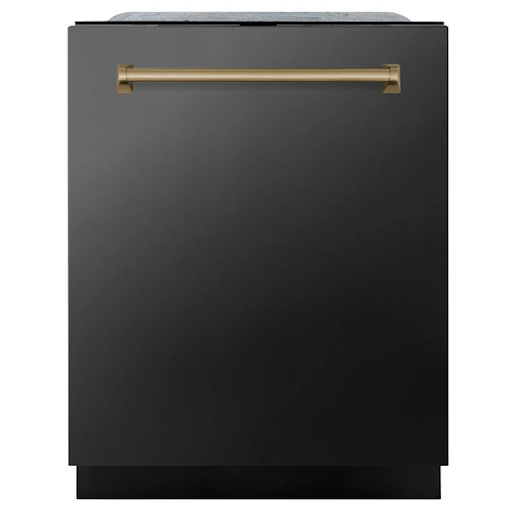
A dishwasher can make everyday kitchen cleanup more efficient, but not every kitchen has the space or layout for a full-size appliance. Smaller households, apartments, secondary kitchens, offices, and compact renovation projects may benefit from a smaller dishwasher that uses available space efficiently.
A compact dishwasher is designed for kitchens where floor area, cabinet dimensions, or household requirements make a standard full-size model impractical. However, choosing one involves more than measuring the appliance width. Capacity, installation type, water connections, energy use, noise, wash programs, and loading flexibility all influence whether a particular model is suitable.
What Is a Compact Dishwasher?
A compact dishwasher is a smaller-capacity dishwasher designed to fit spaces that may not accommodate a conventional full-size model. Compact models can be particularly useful in smaller kitchens, apartments, and locations where available cabinetry or floor space is limited.
The term does not necessarily refer to one universal dimension. Manufacturers offer different dishwasher sizes and configurations, so buyers should always check the exact product specifications rather than relying solely on the word “compact.”
The appropriate model depends on the available installation space and the number of dishes generated by the household.
How Much Capacity Do You Need?
Capacity is one of the most important considerations when choosing a smaller dishwasher. A household that cooks frequently may need considerably more capacity than a person who primarily eats outside the home.
Manufacturers commonly express dishwasher capacity using place settings, although definitions can vary by standard and manufacturer. A smaller model may accommodate fewer dishes than a full-size dishwasher, meaning users may need to run cycles more frequently.
Before purchasing, consider how often the dishwasher will be used and what types of dishes need to fit inside. Large plates, cookware, glasses, utensils, and bowls can require different rack arrangements.
A smaller dishwasher can be efficient when its capacity matches the household’s actual needs, but an undersized model may become inconvenient if it needs to be operated several times a day.
What Installation Types Are Available?
Dishwashers can be designed for different installation arrangements. Built-in models are typically installed beneath a countertop and connected directly to the kitchen’s water, drainage, and electrical systems.
Other configurations can be designed for locations where a conventional built-in installation is difficult. The right choice depends on the kitchen’s cabinetry, plumbing, electrical supply, and available floor space.
Before buying, measure:
- Available width
- Available height
- Available depth
- Door-opening clearance
- Nearby cabinet dimensions
- Water connection location
- Drain connection
- Electrical outlet location
Measurements should account for installation clearances rather than simply comparing the appliance’s external dimensions with an empty cabinet opening.
Why Are Wash Programs Important?
Dishwashers use different wash programs for different types of loads. Common options can include normal, intensive, quick, delicate, eco, and rinse cycles, although the available programs vary by model.
A normal cycle may be suitable for everyday dishes, while an intensive program can be useful for heavily soiled cookware. A quick cycle can help when lightly soiled dishes need to be cleaned within a shorter period.
An eco program may prioritize lower resource consumption, although cycle times can be longer. Buyers should compare the manufacturer’s specifications to understand how individual programs differ.
How Important Is Dishwasher Noise?
Noise can be particularly noticeable in open-plan kitchens, apartments, and smaller living spaces.
Dishwasher noise is generally measured in decibels, or dB. A lower numerical rating indicates a quieter operating sound level, although the perceived sound can also depend on the kitchen’s acoustics and installation.
For kitchens connected directly to living or dining areas, a quieter model may be more comfortable during everyday use.
Consumers comparing premium dishwashers should therefore look beyond appearance and examine published noise specifications as part of the buying decision.
What Makes a Dishwasher Energy Efficient?
Energy efficiency involves more than electricity consumption. Water usage and the frequency of dishwasher cycles also influence overall resource consumption.
ENERGY STAR, the U.S. Environmental Protection Agency’s energy-efficiency program, notes that certified dishwashers use less energy and water than standard models that meet federal minimum efficiency standards. ENERGY STAR also recommends considering features such as soil sensors and efficient cycle options when selecting a dishwasher. (energystar.gov)
Consumers should check the current energy label and manufacturer’s specifications for the specific appliance being considered. Actual resource use can vary according to the selected cycle, load size, household habits, and frequency of operation.
Do Compact Dishwashers Clean as Well as Larger Models?
Size does not automatically determine cleaning performance. A smaller dishwasher can provide effective cleaning when the racks, spray system, detergent, water temperature, and cycle are appropriately designed.
However, loading technique matters. Overcrowding dishes can prevent water and detergent from reaching dirty surfaces effectively.
Users should avoid blocking spray arms and ensure that dishes are positioned according to the manufacturer’s instructions. Items that are not dishwasher-safe should also be washed separately.
A well-organized smaller load can often clean more effectively than an overloaded larger machine.
What Features Should You Look For?
The right features depend on how the dishwasher will be used. Useful features can include:
- Adjustable racks
- Fold-down tines
- Cutlery baskets or trays
- Soil sensors
- Multiple wash cycles
- Delay-start functionality
- Leak protection
- Child locks
- Stainless-steel interiors
- Filtration systems
- Heated drying
- Automatic door opening on selected models
Adjustable rack systems can be especially valuable in smaller dishwashers because they allow users to accommodate different dish sizes.
Buyers should prioritize features that address actual household needs rather than selecting a model based solely on the number of available functions.
Are Luxury Dishwashers Worth Considering?
The term luxury dishwashers generally refers to higher-end appliances that may combine premium materials, advanced controls, quieter operation, specialized wash systems, flexible racks, or additional convenience features.
However, the label itself does not guarantee that a dishwasher is the best choice for a particular kitchen.
A useful comparison should consider measurable specifications such as noise level, capacity, energy and water consumption, cycle options, installation requirements, warranty coverage, and repair support.
For some households, advanced features may provide meaningful convenience. For others, a simpler model with appropriate capacity and reliable cleaning performance may be more practical.
How Should You Compare a Dishwasher for Sale?
When evaluating a dishwasher for sale, consumers should avoid focusing solely on the advertised purchase price.
The total cost of ownership can include:
- Purchase price
- Delivery
- Installation
- Plumbing modifications
- Electrical work
- Detergent
- Rinse aid
- Electricity
- Water consumption
- Repairs
- Replacement parts
A less expensive appliance may have different operating or installation requirements from a higher-priced model.
Warranty coverage is another important factor. Buyers should check what components are covered, the warranty duration, and whether labor or service calls are included.
How Should a Dishwasher Be Maintained?
Regular maintenance can help preserve dishwasher performance.
Users should periodically inspect and clean the filter according to the manufacturer’s instructions. Spray arms should also be checked for blockages, while door seals can be wiped clean to remove accumulated residue.
Detergent should be used according to the manufacturer’s recommendations. Excessive detergent does not necessarily produce better results and can contribute to residue.
It is also useful to avoid placing unsuitable materials inside the dishwasher. Items marked as hand-wash-only should be cleaned separately.
What Mistakes Should You Avoid?
Several common mistakes can complicate dishwasher selection.
The first is failing to measure the installation space accurately. A dishwasher that is only slightly too large may not fit once surrounding cabinetry and required clearances are considered.
Another mistake is overlooking door clearance. The appliance door needs enough space to open fully without hitting cabinets, islands, or nearby appliances.
Buyers can also overlook plumbing and electrical requirements. These should be reviewed before purchase, particularly when replacing an appliance with a different configuration.
Finally, choosing based only on appearance can lead to a dishwasher that looks appropriate but lacks the capacity or features required for everyday use.
Conclusion
A compact dishwasher can be a practical solution for kitchens where space is limited, provided that its capacity, dimensions, installation requirements, and cleaning features match the household’s needs. Measuring the available space accurately and checking water, drainage, and electrical requirements should be part of the selection process. The same approach applies when evaluating luxury dishwashers or searching for a dishwasher for sale. A higher purchase price can be justified when its features and performance provide meaningful benefits, but the best appliance is ultimately the one that fits the kitchen and supports the household’s actual cleaning habits.









+ There are no comments
Add yours