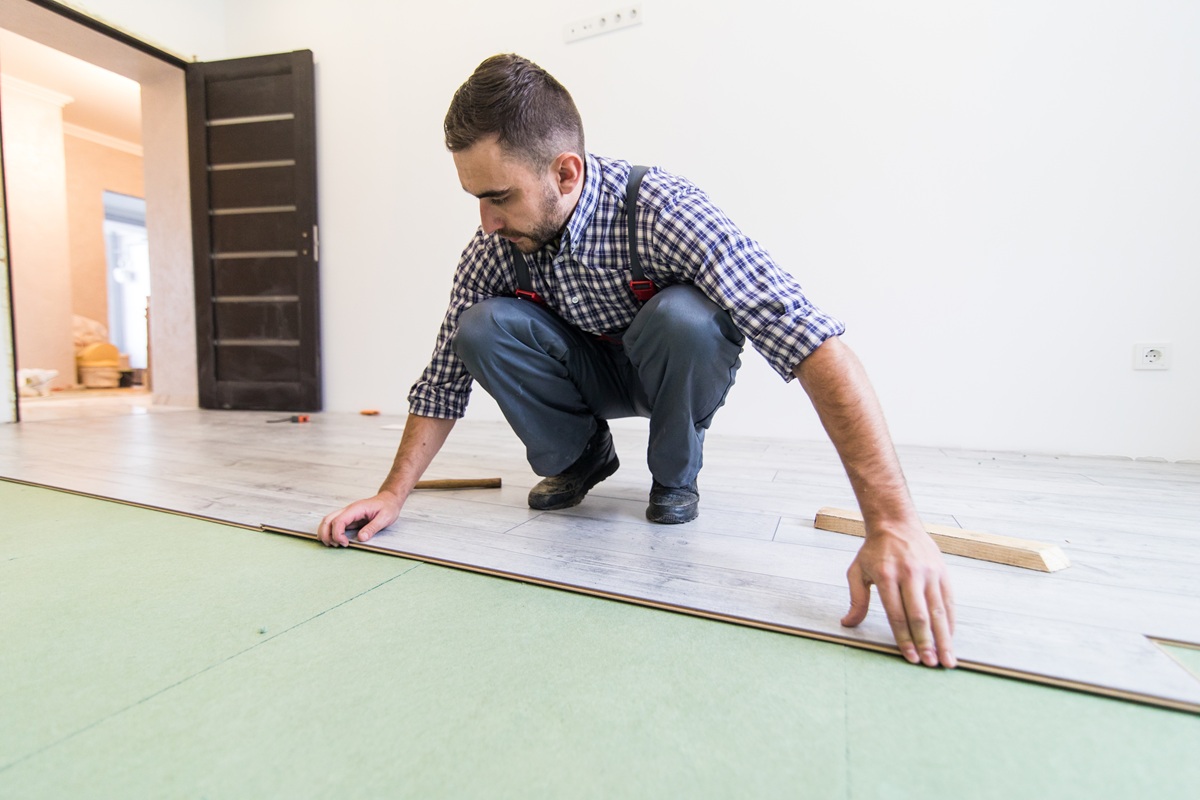
New flooring is a significant investment, often one of the most expensive updates a home will see. Yet how long it actually lasts has less to do with the material itself and more to do with how it’s cared for day to day. Two identical floors, installed on the same day, can age completely differently depending on cleaning habits, moisture control, and how well minor damage is caught early. Understanding the right care routine for your specific flooring type is the simplest way to protect that investment for years, sometimes decades, longer.
Why Maintenance Matters More Than Material
It’s tempting to assume that premium flooring automatically means a longer lifespan, but even the most durable materials degrade quickly under the wrong conditions. Grit ground in from unswept floors acts like sandpaper underfoot, while excess moisture can warp, stain, or rot certain flooring types within months. Consistent, correct maintenance is what actually determines whether a floor reaches, or falls short of, its expected lifespan.
The Cost of Neglect
Replacing flooring early due to preventable damage is far more expensive than the time it takes to maintain it properly. Water damage alone can require full replacement of sections that a simple spill-response habit would have avoided entirely.
Daily and Weekly Care Habits
Sweeping and Dust Control
Dust, grit, and small debris are among the most damaging everyday threats to flooring, particularly hard surfaces like hardwood and laminate. Regular sweeping or dry mopping prevents these particles from being ground into the surface underfoot, where they cause fine scratches over time.
Choosing the Right Cleaning Products
Not all flooring responds to the same cleaning approach. Harsh chemical cleaners can strip protective finishes from hardwood, while excess water can seep into seams on laminate and cause swelling. Always match cleaning products to the specific flooring type rather than defaulting to an all-purpose solution.
Quick Reference by Flooring Type
- Hardwood: dry or barely damp mopping only, with a cleaner specifically formulated for wood finishes
- Laminate: minimal moisture, using a slightly damp microfiber mop rather than a wet one
- Tile and grout: pH-neutral cleaners to avoid eroding grout lines over time
- Vinyl: mild soap and water, avoiding abrasive scrubbing pads
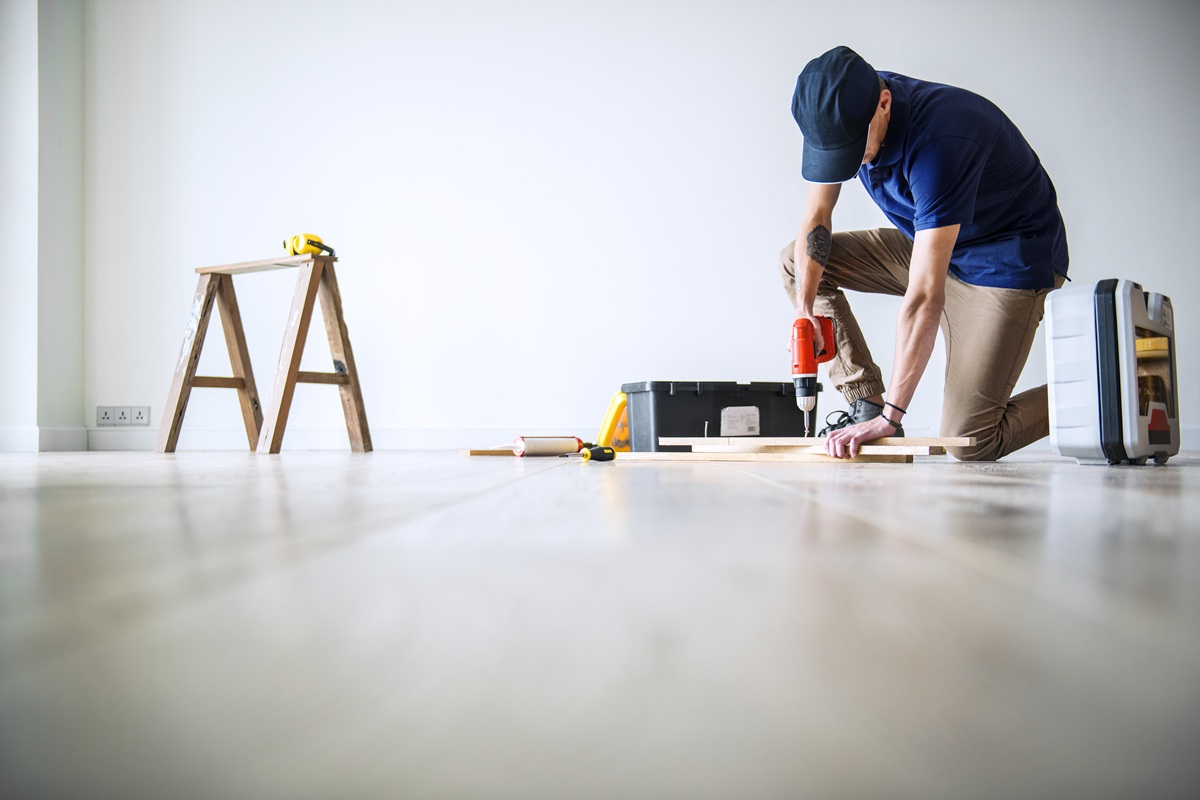
Protecting Flooring from Everyday Wear
Furniture and Foot Traffic
Furniture legs are a leading cause of dents and scratches, especially on softer materials. Felt pads under chair and table legs, along with area rugs in high-traffic zones, significantly reduce this kind of gradual, cumulative damage.
Managing Moisture Exposure
Moisture is one of the most damaging forces flooring can face, particularly for wood and laminate. Wiping up spills immediately, using mats at entryways to catch rain and snow, and maintaining consistent indoor humidity all help prevent warping, staining, and mould growth.
Sunlight and UV Exposure
Prolonged direct sunlight can fade and discolour many flooring types unevenly over time. Curtains, blinds, or UV-protective window film help maintain a consistent appearance across the whole floor, rather than leaving faded patches where sunlight falls.
Seasonal and Long-Term Maintenance
Refinishing and Resealing
Hardwood floors typically benefit from refinishing every seven to ten years, depending on foot traffic, restoring the protective top layer and smoothing out accumulated scratches. Tile grout may also need periodic resealing to maintain its water resistance.
Humidity Control Throughout the Year
Wood-based flooring expands and contracts with seasonal humidity changes. Using a humidifier in dry winter months and a dehumidifier in humid summer months helps minimise the gaps and warping that come from these natural fluctuations.
Scheduling Professional Inspections
For higher-value flooring, periodic professional inspection can catch subtle issues like subfloor moisture or early-stage wear that aren’t obvious during everyday cleaning, allowing repairs before they become costly.
Addressing Damage Early
Why Small Repairs Matter
A single scratched plank, loose tile, or small water stain rarely stays contained. Left unaddressed, minor damage tends to spread, whether through moisture seeping further under the surface or a small crack widening under continued foot traffic.
Signs You Shouldn’t Ignore
- Discolouration or dark spots suggesting trapped moisture
- Boards or tiles that feel loose or uneven underfoot
- Persistent odours that may indicate mould beneath the surface
- Visible gaps that widen noticeably with the seasons
Catching these signs early and addressing them promptly is often the difference between a small repair and a full section replacement.
Final Thoughts
Flooring lifespan isn’t fixed the day it’s installed it’s shaped continuously by how it’s cleaned, protected, and maintained. Simple daily habits, combined with attentive seasonal care and prompt repairs, can add years to almost any flooring type. The investment in proper maintenance is small compared to the cost of early replacement, making it one of the most worthwhile habits a homeowner can build.









+ There are no comments
Add yours