Are you getting the most out of your commode wheelchair? Have you ever wondered why some mobility aids last for years while others seem to fall apart within months? The secret often lies in proper maintenance—something many people overlook until problems arise.
Commode wheelchairs are essential mobility aids that combine the functionality of a wheelchair with toilet facilities. They’re particularly valuable for individuals with limited mobility, offering independence and dignity. However, like any piece of equipment, they require regular care to function safely and effectively.
In this guide, we’ll walk you through everything you need to know about maintaining your commode wheelchairs. From daily cleaning routines to monthly deep cleans, troubleshooting common issues to knowing when professional help is needed—we’ve got you covered. By the end, you’ll have a clear maintenance schedule that’ll keep your wheelchair in top condition for years to come.
Understanding Your Commode Wheelchair
Key Components And How They Work
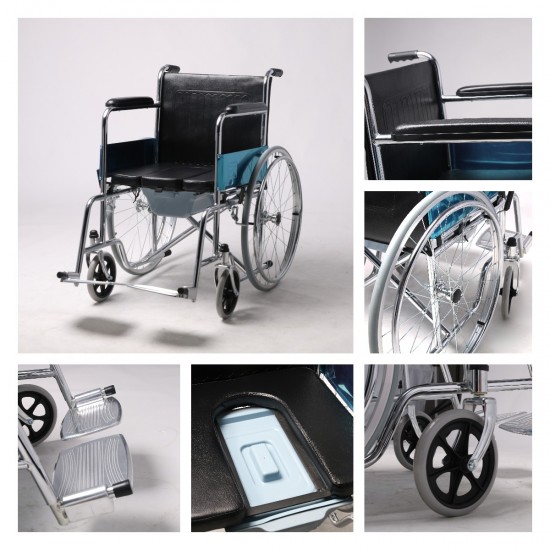
Before diving into maintenance, it’s worth understanding what makes your commode wheelchair tick. The frame—usually made from steel or aluminium—provides the structural backbone. Attached to this are the wheels and castors, which allow for smooth movement and manoeuvrability.
The seat typically features a removable commode bucket or pan, covered by a padded seat with an opening. Armrests and footrests add comfort and support, while brakes and locking mechanisms make sure everything stays put when needed.
Each component plays a vital role in the wheelchair’s overall function. When one part fails, it can affect the entire system. That’s why understanding these parts helps you spot potential issues early.
How To Use A Manual Wheelchair Safely And Effectively
Learning how to use a manual wheelchair properly isn’t just about getting from A to B—it’s about safety. Always engage the brakes before transferring in or out of the chair. Position footrests correctly to avoid tripping hazards.
When moving, keep your hands on the wheel rims rather than the tyres to avoid injuries. If you’re pushing someone else, communicate clearly about stops and turns. Take corners slowly and watch for obstacles.
Proper use actually contributes to maintenance. Rough handling, sudden stops, and collisions cause unnecessary wear. Treating your wheelchair gently extends its lifespan significantly.
Daily Maintenance Tasks You Shouldn’t Skip
Cleaning The Frame And Seat
Daily cleaning doesn’t need to be complicated. A quick wipe-down of the frame with a damp cloth removes dust, spills, and general grime. Pay particular attention to areas that get touched frequently, like armrests and push handles.
For the seat, use a mild antibacterial solution that won’t damage the upholstery. Avoid harsh chemicals that might degrade the material over time. A microfibre cloth works brilliantly for this purpose.
Sanitising The Commode Bucket And Pan
This is non-negotiable for hygiene reasons. Empty and rinse the commode bucket after each use. Then wash thoroughly with hot, soapy water and an antibacterial cleaner.
Allow the bucket to dry completely before replacing it—moisture trapped underneath can lead to odours and bacterial growth. Consider keeping a spare bucket so you can rotate them while one dries.
Quick Safety Checks Before Each Use
Before anyone sits down, do a rapid once-over. Check that brakes engage properly and that wheels spin freely. Give the seat a gentle shake to make sure it’s secure.
Look for any obvious damage, loose parts, or unusual sounds. These quick checks take seconds but can prevent accidents. Think of it like checking your mirrors before driving.
Weekly Maintenance Routine
Inspecting Wheels And Castors
Once a week, give those wheels some attention. Check for debris wrapped around the axles—hair, string, and carpet fibres love to accumulate there. Remove anything that might restrict movement.
Examine the tyres (if pneumatic) for proper inflation and damage. Solid tyres should be checked for cracks or excessive wear. Castors should swivel smoothly without sticking.
Checking Brakes And Locking Mechanisms
Brakes are your primary safety feature, so they deserve regular inspection. Test each brake to make sure it holds firmly when engaged. Wheels shouldn’t move at all when brakes are on.
If brakes feel loose or don’t grip properly, adjust them according to your manufacturer’s instructions. Don’t ignore this—faulty brakes are a serious safety hazard.
Tightening Loose Bolts And Screws
Vibrations from daily use gradually loosen fasteners. Go around the wheelchair with an appropriate screwdriver or Allen key, checking every visible bolt and screw.
Focus on high-stress areas: where the seat meets the frame, footrest attachments, and wheel axles. Don’t over-tighten—just snug everything up until firm. Keep a small toolkit handy for this purpose.
Monthly Deep Cleaning And Inspection
How Do You Clean A Commode Wheelchair Properly?
Monthly deep cleaning goes beyond daily wipes. Start by removing all detachable parts—cushions, armrests, footrests, and the commode bucket. Clean each component separately.
For the frame, use warm soapy water and a soft brush to reach into crevices. Rinse thoroughly and dry completely to prevent rust. Chrome parts can be polished with appropriate metal cleaners.
Upholstery may benefit from fabric-safe disinfectants or steam cleaning. Always check manufacturer recommendations before using any cleaning products.
Lubricating Moving Parts
Smooth operation depends on proper lubrication. Apply a light machine oil or silicone-based lubricant to wheel axles, folding mechanisms, and adjustable parts.
Wipe away excess lubricant to prevent it attracting dust and dirt. Avoid petroleum-based products on rubber components, as these can cause degradation. A little goes a long way here.
Examining Upholstery And Cushions For Wear
Inspect seat cushions and backrest upholstery for tears, thinning, or loss of support. Damaged upholstery isn’t just uncomfortable—it can create pressure points that cause skin problems.
Check seams and stitching carefully. Early repairs prevent small tears from becoming big ones. Consider using waterproof covers to extend upholstery life.
Common Problems And How To Fix Them
What Do You Do When Wheels Become Stiff Or Squeaky?
Stiff wheels usually indicate a buildup of debris or lack of lubrication. Remove the wheel if possible and clean the axle thoroughly. Apply fresh lubricant and reassemble.
Squeaking often comes from dry bearings. A few drops of lubricant usually sorts this out. If problems persist after cleaning and lubricating, the bearings may need replacing.
Dealing With Rust And Corrosion
Rust is the enemy of metal wheelchairs, especially in humid climates. Small rust spots can be addressed with fine sandpaper or a rust remover, followed by a protective sealant.
Prevention is better than cure. Keep your wheelchair dry, store it properly, and address scratches in the paintwork promptly. Aluminium frames are more resistant but can still corrode.
Replacing Worn Footrests And Armrests
These components take a lot of abuse and often wear out first. Most are designed to be user-replaceable—check your manufacturer’s parts catalogue or contact your supplier.
When replacing parts, always use components designed for your specific model. Generic parts might not fit properly and could compromise safety.
How Often Should You Service a Commode Wheelchair?
Beyond your regular maintenance routine, professional servicing is recommended every six to twelve months. A qualified technician can spot issues you might miss and perform adjustments requiring specialist tools.
More frequent servicing may be needed for heavily used wheelchairs or those in demanding environments. Keep records of all maintenance and servicing for warranty purposes and to track recurring issues.
Storage Tips to Extend Your Wheelchair’s Lifespan
When not in use, store your commode wheelchairs in a dry, temperature-controlled environment. Avoid damp garages or outdoor sheds where moisture and temperature fluctuations cause damage.
If storing for extended periods, remove the commode bucket and clean thoroughly. Consider covering the wheelchair to protect against dust. Check stored wheelchairs periodically to catch any issues early.
When to Seek Professional Repairs or Replacement
Some repairs are best left to professionals. Structural damage to the frame, persistent brake problems, or electrical issues (in powered models) require expert attention.
Signs it might be time for replacement include: frequent breakdowns despite maintenance, components no longer available, or the wheelchair no longer meeting the user’s needs. Safety should always come first.
Simple Habits for Years of Reliable Use
Maintaining your commode wheelchair doesn’t require special skills or expensive tools. It’s simply about developing consistent habits that become second nature over time.
The key takeaways are straightforward: clean daily, inspect weekly, deep clean monthly, and service professionally at least once a year. Address problems promptly before they escalate, and don’t compromise on safety-related issues.
Your commode wheelchair is more than just equipment—it’s an essential tool for independence and quality of life. By following these maintenance guidelines, you’re investing in years of reliable, safe, and comfortable use. Start implementing these habits today, and you’ll notice the difference almost immediately.













+ There are no comments
Add yours