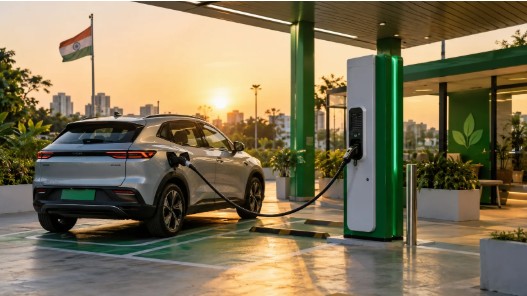
An e charging station franchise in a small town should start with a location people already visit and a clear idea of who would use it. Look at local drivers, taxis, nearby workplaces and people travelling between towns. Check how long they park, when they need power and which charging options they can already reach. Then ask an electric vehicle charging company in India to assess a first phase that fits those trips and the property’s operating hours.
How to Test Demand for an E Charging Station Franchise in a Small Town
Make a map of the trips the station could serve. A local driver may stop at the market every week. A taxi driver may need a recharge between two regular journeys. A visitor may park near a hospital while accompanying a family member. For anyone considering an e charging station franchise, understanding these travel patterns helps identify suitable locations. The best location depends on when these people arrive, whether they can park and how much energy they need before leaving.
Visit prospective sites on several different days. A weekly market may bring considerable traffic on one day while weekday demand remains quiet. Ask nearby businesses when their customers stay and whether staff have seen EVs looking for charging. Speak to potential repeat users about specific routes and times. Keep their actual trips separate from general interest in charging.
Map the options drivers already have
Check public charging locations in the area and drive to the ones most relevant to your customers. Record which vehicles they support, when they are open and how easy they are to find. If people say the town has no convenient charger, ask what makes existing options inconvenient. A listing may appear nearby but require a long detour. Another station may be suitable for cars but have hours that do not fit local taxi shifts.
Choose a Site That Fits Existing Trips
Compare at least two properties using the same checklist. A market car park can provide useful stopping time but may fill up when the station would be busiest. A site at the edge of town may be easier to reach by car, while offering fewer errands or services within walking distance. Consider how visitors would approach the station after dark and how they would leave if the nearest gate closes.
| Candidate site | Demand to test | Practical issue to check |
|---|---|---|
| Market or shopping area | Repeat customers making regular visits | Bay access during the busiest parking periods |
| Hospital or clinic area | Visitors and staff who may park for longer periods | Clear entry, exit and pedestrian routes |
| Taxi stand or nearby commercial plot | Drivers who can schedule a top-up between trips | Turnaround space and overlap between drivers’ shifts |
| Hotel or restaurant | Local guests and travellers already stopping for a meal or overnight | Hours, visible signs and access when the business closes |
A location should have enough room for a representative vehicle to park and leave without blocking surrounding traffic. Check the visible route from the road, whether a visitor can identify the correct bay and who can clear it when another car parks there. Include the parking team in the survey because they know where traffic builds up and which signs drivers tend to miss.
Start With the Energy Drivers Need Within One Stop
Match charger power to the vehicles and parking time you expect. For example, if an illustrative taxi driver has 45 minutes of active charging time and needs 15 kWh, that requires an average of 20 kW delivered during the session. The real stop may be longer once the driver finds the bay and starts payment. Ask the provider to check the vehicle’s own charging limits and what happens when more than one car plugs in.
For longer dwell times, such as overnight parking, ask the provider to compare a lower-power setup with faster equipment. Give the site’s power and parking information to a qualified professional for assessment. NITI Aayog’s implementation handbook sets out approaches to demand assessment, site planning and EV electricity supply. Handbook for EV Charging Infrastructure Implementation
When speaking with EarthtronEV or another provider, share the likely user groups and charging windows so the proposed first phase can be assessed against the same local evidence.
Run a Small Pilot and Give Local Drivers Clear Instructions
Choose hours that match the site’s genuine access and staffing. Use the same hours online, on signs and with the people who control the gate. Test directions with a first-time driver from the two most common approaches. If customers use different languages, prepare clear short instructions that site staff can explain while also showing the payment and help options.
Track how many drivers return after a first session and when they charge. Log the times when a driver cannot find the bay, pay or get help. In the first review, compare quiet days with regular busy periods. Where demand comes from a few repeat drivers, check how the station would work if their route or employer changed. If demand comes from travellers, ask how they heard about the site and whether they would use it on a return trip.
Ask the property team which weeks are unusual. A festival, road diversion or closure of another station can temporarily change the pattern. Mark those dates in the pilot records and compare them with normal weeks. That will help you decide whether to invest in extra capacity or prepare a temporary plan for peak days.
Frequently Asked Questions
Can a town support charging without a nearby highway?
It can if there are enough repeat users and a suitable site. Look for local driving patterns, longer parking periods and regular fleet or taxi needs before estimating demand.
Should a station target two-wheelers and cars together?
Check the vehicles, compatible equipment and how the bays would operate. The needs of a car driver may differ from those of a rider. Have the provider price the groups separately if their equipment and space requirements differ.
Can a taxi group help confirm demand?
Ask the group to share typical shift times, car models and energy needs. A limited trial or a written usage arrangement provides more evidence than a general expression of interest.
What if public charging demand is highly seasonal?
Model quiet and busy months separately. Consider phased installation and a staffing plan the property can manage throughout the year. Review results across enough time to see how demand changes.
When should a small-town site add another charger?
Look for repeated queues, customers turned away or demand you can confirm with local users. Check whether different hours or better bay management would help before adding equipment.
Expand When Local Use Supports the Next Phase
Start with the drivers who are likely to use the station now. Verify the location, charger fit, power and support plan on a normal operating day. If repeat sessions and reliable service show that more drivers can be served, use that evidence to decide which bays or equipment to add.












+ There are no comments
Add yours