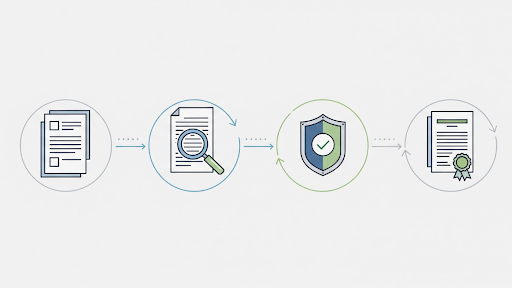
From anywhere in the world, you can begin protecting your brand in the United States. You don’t need to live in the U.S., own a business there, or even have plans to open an office. The American trademark system allows foreign individuals and companies to register their marks as long as they follow the rules. The most important one? You must work with a licensed U.S. attorney to file your application.
This isn’t a suggestion, but a requirement from the U.S. Patent and Trademark Office. If you’re based outside the U.S., they won’t accept your filing without legal representation.
Let’s go over how international applicants can navigate the US trademark filing process and secure their rights on solid ground.
No U.S. Address Required
You don’t need a Social Security number, a U.S. bank account, or physical presence to apply. Whether you’re in Canada, Germany, India, or Australia, you’re eligible. What matters is that your mark is used in U.S. commerce—or you plan to use it soon. If you’re already selling products or services to U.S. customers, you can file under “actual use.” If not, you can file based on “intent to use,” which reserves your name while you prepare for market entry.
Do Your Search First
Before spending money, check if your name or logo is available.
A strong search looks beyond exact matches. It checks similar-sounding names and related industries where confusion might happen. It also looks into
pending applications that could block yours.
Just because your name is free in your home country doesn’t mean it’s safe in the U.S.
Choose the Right Filing Basis
When you apply, you’ll pick one of two paths:
- Use in commerce, which indicates that you’re already selling in the U.S.
- Intent to use indicates you plan to launch within three to four years
- For “use” filings, you must submit proof, such as product labels, website screenshots, or sales receipts.
- For “intent to use,” no proof is needed upfront. However, you’ll have to provide it before registration. You get up to five six-month extensions to make it happen.
Prepare Your Application
Gather what you need:
- Clear description of goods or services
- Correct class selection, as the U.S. uses 45 classes
- Applicant name and address
- Attorney contact details, which are required for non-U.S. filers
Your U.S. attorney will handle the rest through the USPTO’s online system, TEAS. They’ll upload documents, pay fees, and keep everything on track.
Work With a U.S. Attorney
This step is mandatory. But it’s also helpful. A good attorney does more than just file forms. They help you:
- Avoid weak descriptions
- Pick the right class
- Handle official letters from the USPTO
- Meet every deadline
It adds to the cost, but it increases your chance of approval.
File Through TEAS
All applications go through the USPTO’s online portal. Nowadays, paper filings aren’t accepted anymore. Once submitted, you’ll get a confirmation and application number. From this point, it usually takes 8–12 months to hear back. An examiner will review your case and either approve it or send an Office Action asking for changes.
Respond to Any Office Actions
An Office Action isn’t a rejection, but a request for clarification. Common issues behind the Office Actions include:
- Likelihood of confusion with another mark
- Weak specimen quality
- Unclear description of goods
You usually have six months to reply. Missing this window means losing your application and fees. It is better to stay in touch with your attorney and respond on time.
What It All Means
The U.S. trademark filing process is open to everyone. This is also regardless of location. You don’t need to be a citizen or resident. But it is important for you to hire a U.S. attorney, file correctly, and act fast when asked. With the right steps, foreign businesses can protect their brands in one of the largest markets in the world.







+ There are no comments
Add yours