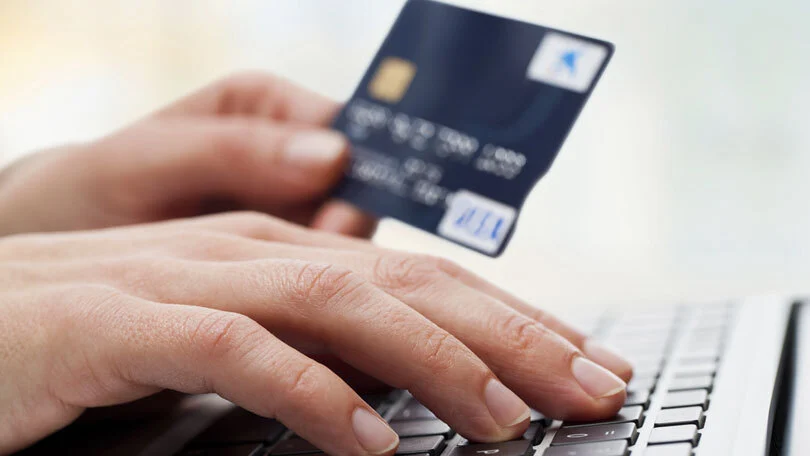
There’s a good chance your wallet already has at least one plastic card tucked inside — maybe a credit card, maybe a debit, maybe both.
For many people, though, the question isn’t just which one to use, but how to even get started. With most banks pushing digital-first, the idea of learning how to get a credit card online sounds pretty appealing.
No long lines. No paper stacks. Just a few clicks.
But here’s the bigger question: how does going the online credit route stack up against sticking to your trusty debit card? Both have pros. Both have pitfalls.
And if you’re not careful, the wrong choice can hit your wallet harder than you expect.
Why Credit Cards Online Feel So Convenient
Let’s start with credit. Applying online is, frankly, easy. You fill out a form, hit submit, and within minutes or hours you may get an approval.
Compare that to the old days of visiting branches, waiting for an officer, and shuffling through documents.
Other reasons people love going digital with credit applications:
- Speed. Approvals can come the same day. Sometimes, you even get a virtual card to use instantly.
- Access to offers. Many online portals highlight sign-up bonuses, cashback, or travel rewards you might miss in-branch.
- Comparison. Browsing online makes it simple to weigh cards against each other before committing.
- 24/7 Access. You can apply any time (weekends, evenings)—even when you’re travelling. No need to wait for branch hours or schedule an appointment.
- Transparency. You can check eligibility, see your credit score impact, and view full terms and fees easily compared to rushed in‑person conversations.
If you’ve ever wondered “what’s the fastest way to start building credit?” — online credit card applications are often the answer.
The Flip Side: Risks of Credit
Of course, ease comes with responsibility. Credit cards are basically short-term loans, and loans come with strings:
- Debt danger. It’s easier to overspend when repayment feels like “later me’s problem.”
- Interest rates. Pay late or carry balances, and interest racks up fast.
- Impact on credit score. A missed payment can drag down your score quickly, and applying for too many cards online can add hard inquiries.
- Hidden costs. Cards may come with fees that aren’t obvious at first: annual fees, foreign transaction fees, fees for going over the limit, fees for getting a paper statement, etc.
In short: credit is a tool. Use it well, and it builds your financial credibility. Misuse it, and it chips away at your long-term stability.
Where Debit Cards Still Shine
Now let’s talk debit. Unlike credit, debit card draws directly from your checking account. Spend $50, and it’s gone — no debt, no interest.
Some reasons people stick to debit:
- Budget control. Since you’re spending your own money, it’s harder to overspend.
- No debt cycle. No monthly bills to chase. No APR nightmares or compounding charges.
- Widely accepted. Whether it’s groceries, gas, or online subscriptions, your debit card works almost everywhere.
- Accessibility. Getting a checking account and its debit card is easier than qualifying for a credit card — no credit checks are needed unless you want overdraft protection. This makes it a reliable option for people with thin or no credit history.
For folks trying to avoid temptation or who’ve had trouble with credit in the past, debit can feel like the safer bet.
But Debit Has Downsides Too
- No credit history. Using debit won’t help you build a score, which you’ll need for bigger things like mortgages or car loans.
- Limited perks. Most debit cards don’t offer the cashback, rewards, or insurance protections credit cards do.
- Fraud liability. Fraud protections on debit can be weaker. They often depend heavily on how quickly you report the loss/theft/fraud, and, because it’s your actual money, recovery can take longer.
- Overdrafts, NSF Fees. Even if you’re careful, there may be times when your balance isn’t enough. Overdraft or non‑sufficient funds (NSF) fees can add up—some banks charge several overdraft fees per day if multiple items hit when you’re overdrawn.
So while debit is safe in terms of “not racking up debt,” it doesn’t do much for your financial growth.
The Smart Middle Ground
Here’s the thing: it’s not really about “credit vs. debit.” It’s about how you use both. Many financially savvy people carry both in their wallets — using each strategically.
- Use debit for everyday expenses you’d normally cover in cash — groceries, gas, bills.
- Use credit for bigger purchases or recurring payments, but only if you can pay it off in full each month. That way, you grab the perks without paying interest.
And if you don’t already have a credit card, learning how to get a credit card online can be a good first step — as long as you understand the responsibility that comes with it.
Example: Two Different Paths
Imagine two friends:
- Alex sticks only to debit. They stay debt-free, but when it’s time to buy a car, they struggle to get a decent loan because they never built credit.
- Jordan applied for a credit card online, used it for groceries and gas, and paid it off monthly. Five years later, Jordan has a strong score, access to lower rates, and even racked up some travel rewards.
Neither path is “wrong.” But one clearly sets you up better for the future.
Wrapping Up
Debit keeps you grounded. Credit builds your future. The best money move isn’t choosing one over the other — it’s knowing when to pull out which card.
Apply smart, know how to get a credit card online, and treat it like a financial tool, not free money.
Keep your debit card close for daily discipline and direct spending. Together, they balance each other out — one keeps you safe today, the other unlocks opportunities tomorrow.
That balance? That’s where financial confidence lives.













+ There are no comments
Add yours