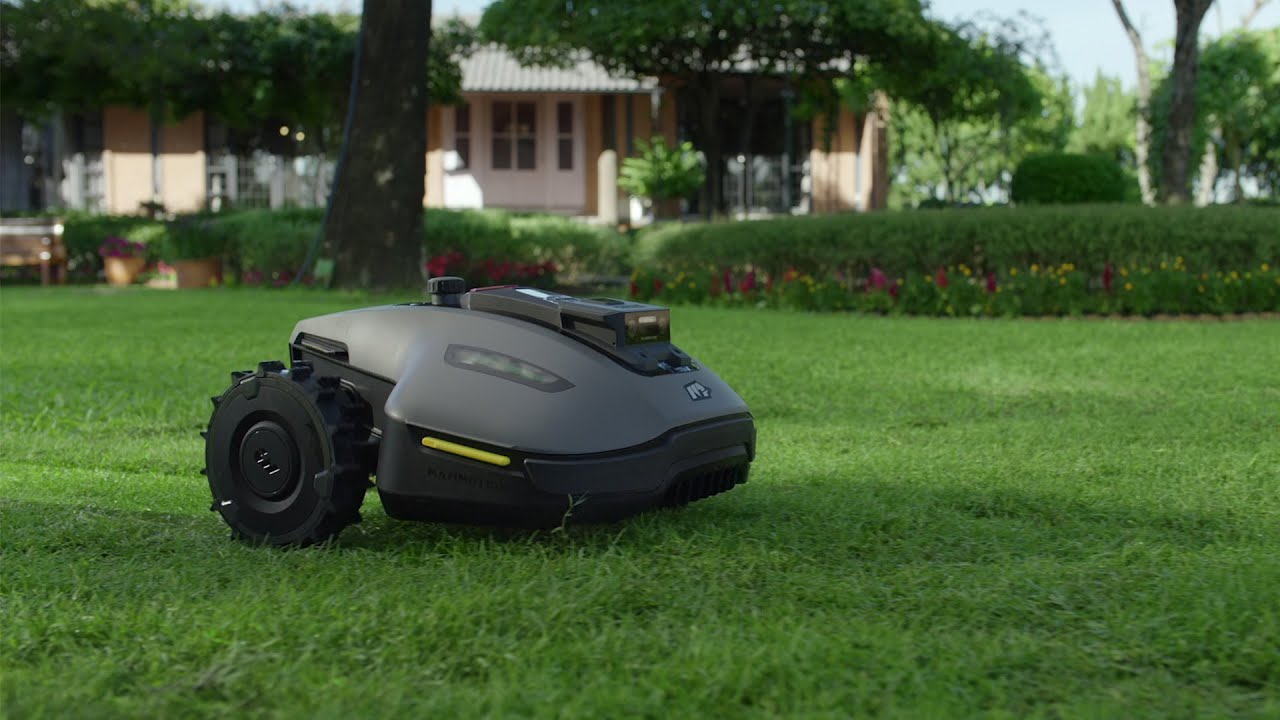
Maintaining large outdoor spaces such as parks, golf courses, corporate campuses, sports fields, and commercial landscapes requires significant time, labour, and resources. Traditional lawn mowing methods often involve heavy equipment, fuel consumption, and a dedicated workforce to keep landscapes neat and presentable. In recent years, commercial robotic mowers have emerged as an innovative solution that is transforming the way large-scale lawn maintenance is managed. These advanced machines are designed to operate automatically, providing consistent lawn care while reducing manual effort and operational costs.
Commercial robotic mowers use intelligent navigation systems, sensors, and automated scheduling to mow grass efficiently without constant supervision. By combining technology with practical lawn care functions, these machines help property managers and landscaping professionals maintain expansive green areas with greater efficiency and reliability.
How Commercial Robotic Mowers Work
Commercial robotic mowers operate using advanced technology that allows them to navigate large landscapes independently. Most systems rely on boundary wires, GPS navigation, or mapping technology to define the mowing area. Once the boundaries are established, the mower moves within the designated zone and cuts the grass according to a programmed schedule.
These mowers typically use rotating blades that trim small amounts of grass frequently. Instead of cutting large sections at once, they maintain the lawn by performing regular light trimming sessions. This approach helps keep the grass at a consistent height and encourages healthier growth. The finely cut grass clippings are left on the lawn, acting as natural mulch that helps return nutrients to the soil.
When the battery level becomes low, the robotic mower automatically returns to its charging station. After recharging, it resumes mowing where it left off. This continuous cycle allows the mower to maintain large lawns efficiently with minimal human involvement.
Key Features of Commercial Robotic Mowers
Modern commercial robotic mowers come with a wide range of features designed to improve performance and reliability. One of the most important features is intelligent navigation. Many robotic mowers use GPS-assisted technology and smart sensors to map the lawn and avoid obstacles such as trees, benches, pathways, and garden structures.
Another significant feature is programmable scheduling. Property managers can set specific mowing times based on the needs of the landscape. This allows mowing operations to take place during quieter hours, such as early mornings or evenings, without disturbing people using the area.
Obstacle detection sensors are also essential components of commercial robotic mowers. These sensors allow the machine to detect objects in its path and change direction automatically. This helps protect both the mower and surrounding landscape elements from damage.
In addition, many commercial robotic mowers offer mobile app connectivity. Through smartphone applications, users can monitor the mower’s activity, adjust schedules, and receive notifications about maintenance or system updates.
Benefits of Using Commercial Robotic Mowers
One of the primary advantages of commercial robotic mowers is efficiency. These machines can operate for extended periods and maintain large lawns consistently without requiring constant supervision. By automating routine mowing tasks, businesses and property managers can allocate their workforce to other landscaping responsibilities.
Another major benefit is cost reduction. Traditional mowing often requires fuel-powered equipment, ongoing maintenance, and labour expenses. Robotic mowers run on rechargeable batteries and require fewer human resources, which can significantly reduce long-term operating costs.
Environmental sustainability is also an important advantage. Because robotic mowers operate using electric power rather than fuel, they produce fewer emissions and contribute to a cleaner environment. Their mulching cutting method also helps maintain soil health and reduces the need for chemical fertilisers.
Noise reduction is another benefit. Commercial robotic mowers operate much more quietly than traditional lawn mowers. This makes them suitable for environments such as hotels, hospitals, educational campuses, and residential complexes where maintaining a peaceful atmosphere is important.
Ideal Applications for Commercial Robotic Mowers
Commercial robotic mowers are designed to manage large and complex landscapes. They are commonly used in a variety of settings where regular lawn maintenance is essential.
Public parks and recreational areas benefit greatly from robotic mowing systems because these spaces require frequent maintenance to remain safe and visually appealing. Similarly, golf courses and sports fields rely on consistent grass height for optimal playing conditions.
Corporate campuses and commercial properties also use robotic mowers to maintain professional-looking landscapes without increasing maintenance costs. Hotels, resorts, and large residential communities can maintain attractive outdoor areas while minimising disruption to guests and residents.
Municipalities and local governments are increasingly adopting robotic mowing solutions for roadside greenery and public spaces, as these machines help maintain large areas efficiently while reducing labour requirements.
Safety and Smart Technology
Safety is a key consideration in the design of commercial robotic mowers. These machines are equipped with advanced safety features to prevent accidents and ensure safe operation. Lift sensors and tilt sensors automatically stop the blades if the mower is lifted or tipped over. This prevents injury and protects the equipment.
Many models also include collision detection systems that allow the mower to change direction when it encounters obstacles. GPS tracking and security features help prevent theft and allow operators to monitor the machine’s location at all times.
Smart technology integration has further improved the usability of robotic mowers. With remote monitoring systems and cloud-based management platforms, property managers can control multiple mowers across different locations from a single interface.
Maintenance and Long-Term Performance
Although commercial robotic mowers operate automatically, they still require regular maintenance to ensure optimal performance. Routine maintenance tasks include cleaning the blades, checking the wheels for debris, and inspecting sensors for proper functionality.
Blade replacement is also an important part of maintenance because sharp blades provide cleaner cuts and improve lawn health. Battery maintenance and proper charging station placement are essential for ensuring that the mower operates efficiently throughout its lifespan.
Compared to traditional mowing equipment, robotic mowers generally require less mechanical maintenance because they have fewer moving parts and do not rely on combustion engines.
The Future of Commercial Lawn Care
As technology continues to evolve, commercial robotic mowers are becoming more advanced and widely adopted. Improvements in artificial intelligence, GPS accuracy, and battery efficiency are making these machines even more capable of handling large and complex landscapes.
Many manufacturers are now developing robotic mowing systems that can work collaboratively in fleets, allowing multiple machines to maintain extensive properties simultaneously. This development is expected to further enhance efficiency and reduce maintenance costs for large commercial landscapes.
With growing demand for sustainable and automated solutions, robotic mowing technology is likely to play an increasingly important role in modern landscape management.
Conclusion
Commercial robotic mowers are transforming the way large outdoor spaces are maintained. By combining intelligent navigation, automated scheduling, and environmentally friendly operation, these machines provide an efficient and reliable solution for managing expansive lawns. They reduce labour requirements, lower operating costs, and deliver consistent lawn quality across a variety of commercial environments.
For property managers, landscaping professionals, and organisations responsible for maintaining large green areas, commercial robotic mowers represent a practical investment in the future of lawn care. As technology continues to advance, these innovative machines will continue to improve efficiency and redefine modern landscape maintenance practices.










+ There are no comments
Add yours