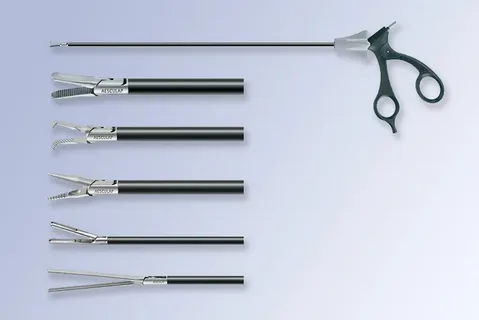
Laparoscopic surgery has transformed modern healthcare by allowing surgeons to perform procedures through small incisions, reducing patient discomfort and recovery time. This minimally invasive technique offers benefits such as less pain, shorter hospital stays, faster healing, and minimal scarring. The success of these procedures depends on the performance and reliability of basic laparoscopic instruments.
Understanding the functions of these specialized tools is essential for healthcare professionals and procurement teams. Additionally, evaluating the cost of laparoscopic instruments helps medical facilities make informed purchasing decisions while ensuring quality care, operational efficiency, and positive surgical outcomes.
Understanding Laparoscopic Surgery
Laparoscopic surgery, also known as minimally invasive surgery, involves the use of specialized instruments inserted through small incisions in the body. A camera-equipped laparoscope provides a clear view of the surgical area, allowing surgeons to perform complex procedures with precision and control.
The success of these procedures relies on a range of basic laparoscopic tools that enable visualization, tissue handling, cutting, suturing, and fluid management. These instruments are designed to provide maximum efficiency while minimizing trauma to surrounding tissues.
Laparoscope
The laparoscope is the primary visual tool used in laparoscopic surgery. It consists of a slender tube equipped with a high-definition camera and a powerful light source. The camera transmits real-time images to a monitor, giving surgeons a detailed view of the internal anatomy.
Applications of the Laparoscope
- Diagnostic examinations
- Gallbladder surgery
- Appendectomy procedures
- Hernia repairs
- Gynecological surgeries
- Bariatric procedures
Among all basic laparoscopic tools, the laparoscope is the most essential because it provides the visual guidance required throughout the procedure.
Trocars and Cannulas
Trocars and cannulas create access points through which surgical instruments can enter the body. A trocar includes a sharp obturator used to penetrate tissue, while the cannula remains in place to maintain access during the operation.
Applications of Trocars and Cannulas
- Creating surgical entry ports
- Allowing instrument insertion
- Supporting camera placement
- Facilitating instrument exchange
These basic laparoscopic tools are available in various diameters and configurations to suit different surgical requirements.
Graspers
Graspers are designed to hold, manipulate, and retract tissues during surgery. They enable surgeons to move organs and structures safely without causing unnecessary damage.
Applications of Graspers
- Tissue handling
- Organ retraction
- Tissue stabilization
- Specimen retrieval
Different types of graspers are available depending on the surgical specialty and tissue characteristics. Because of their versatility, graspers are among the most frequently used basic laparoscopic tools in the operating room.
Laparoscopic Scissors
Laparoscopic scissors are specialized cutting tools used to dissect tissues and separate anatomical structures. Their elongated design allows surgeons to perform precise cutting actions through small incisions.
Applications of Laparoscopic Scissors
- Tissue dissection
- Membrane cutting
- Adhesion removal
- Fine surgical separation
These instruments are available in straight and curved designs to accommodate different surgical techniques and procedural requirements.
Needle Holders
Needle holders play a critical role in laparoscopic suturing. These instruments securely grasp surgical needles, allowing surgeons to place accurate stitches within confined surgical spaces.
Applications of Needle Holders
- Internal suturing
- Tissue repair
- Surgical closure
- Anastomosis procedures
Modern needle holders are engineered to provide enhanced control and precision, making them indispensable basic laparoscopic tools during advanced procedures.
Suction and Irrigation Instruments
Maintaining a clear surgical field is essential for safe and efficient surgery. Suction and irrigation instruments help remove fluids, blood, and debris while delivering sterile solutions when necessary.
Applications of Suction and Irrigation Devices
- Removing blood and fluids
- Clearing debris
- Enhancing visibility
- Cleaning operative sites
These instruments contribute significantly to surgical efficiency and patient safety by ensuring a clear view throughout the operation.
Electrosurgical Instruments
Electrosurgical instruments use electrical energy to cut tissue and control bleeding. They are commonly used in modern laparoscopic procedures because they improve efficiency and reduce blood loss.
Applications of Electrosurgical Instruments
- Tissue cutting
- Vessel sealing
- Coagulation
- Hemostasis
Advanced electrosurgical tools have become standard components of many laparoscopic surgical systems.
Clip Applicators
Clip applicators are used to place surgical clips on blood vessels and ducts before cutting. These clips help prevent bleeding and leakage during surgery.
Applications of Clip Applicators
- Vessel occlusion
- Duct closure
- Hemostasis
- Secure tissue management
These instruments are particularly important during procedures such as laparoscopic cholecystectomy and other abdominal surgeries.
Specimen Retrieval Bags
Specimen retrieval bags are designed to safely remove tissue samples or organs from the body without contaminating surrounding tissues.
Applications of Retrieval Bags
- Organ extraction
- Tissue sample collection
- Tumor removal
- Infection prevention
Although often overlooked, these tools are valuable basic laparoscopic tools that support safe surgical outcomes.
Factors Affecting Laparoscopic Instruments Cost
Understanding laparoscopic instruments cost is essential for hospitals, surgical centers, and procurement teams. Several factors influence pricing, and evaluating these factors helps organizations make cost-effective decisions.
Material Quality
Premium stainless steel and advanced alloys generally increase the cost of laparoscopic instruments due to their durability and resistance to corrosion.
Instrument Complexity
Instruments with advanced features, rotating mechanisms, or specialized functions typically command higher prices.
Reusable vs Disposable Instruments
Reusable instruments often involve higher initial expenses but may reduce long-term costs through repeated sterilization and use. Disposable instruments offer convenience but can increase recurring expenditures.
Manufacturing Standards
Products manufactured under strict quality control processes and international certifications may have higher the cost of laparoscopic instruments, but they often deliver greater reliability and longevity.
Brand Reputation
Established manufacturers with a strong track record for quality and performance may price their products higher than lesser-known suppliers.
By carefully evaluating the cost of laparoscopic instruments, healthcare facilities can balance budget requirements with quality expectations.
Conclusion
Within advanced medical procedures, basic laparoscopic instruments are essential for performing safe, precise, and efficient minimally invasive procedures. From visualization and tissue handling to cutting and suturing, each instrument plays a vital role in surgical success. Understanding their functions and evaluating cost of laparoscopic instruments helps healthcare facilities choose the right equipment, improve patient outcomes, and support long-term operational efficiency in modern surgical environments.
Trusted globally for quality and innovation, Salwan Surgicare is a leading manufacturer and supplier of premium surgical instruments for healthcare institutions. The company provides a wide range of laparoscopic, general surgical, orthopedic, gynecological, and specialty instruments designed for modern clinical needs. With a focus on precision, durability, quality control, and international standards, Salwan Surgicare delivers reliable solutions for hospitals, clinics, and healthcare professionals.









+ There are no comments
Add yours