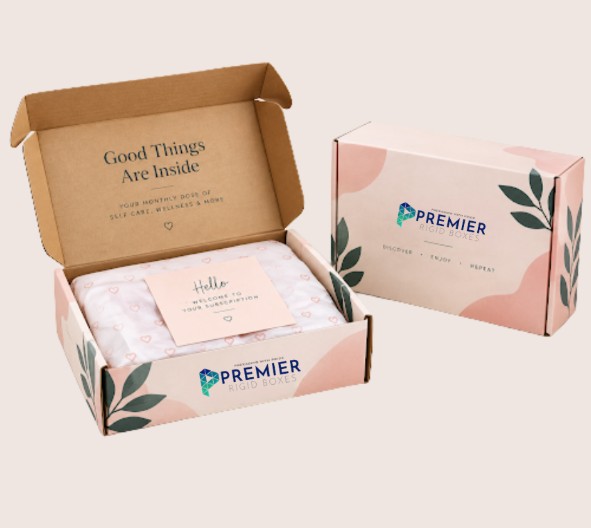
Most packaging gets judged on how a garment looks the moment it’s unboxed. Long-term storage is a different test entirely. A box that looks fine on delivery day can still allow a garment to quietly degrade over months, sometimes without anyone noticing until the piece comes back out and it’s creased, yellowed, or smells faintly of whatever was stored near it. Structure is really the whole story here, more than material choice or branding ever is.
Why Storage Stresses Packaging Differently Than Shipping
Shipping damage tends to happen fast, a drop, a crush, rough handling somewhere in transit. Storage damage is slower and less obvious, which makes it easier to overlook until it’s already happened. A box that holds up fine for a week-long shipping journey can still fail a garment that sits inside it for six months, because the failure modes aren’t the same at all.
Over extended periods, the real threats are things like sustained pressure (a garment compressed under its own folds or under other stacked boxes), humidity slowly working its way in, and light exposure if the box isn’t fully sealed against it. None of these show up in a quick shipping test. They only reveal themselves over time, which is exactly why storage-specific packaging needs a different kind of thinking than shipping packaging does.
Structural Elements That Actually Matter
Rigid vs. flexible construction. A flexible box or bag can slowly collapse under its own weight or the weight of anything stacked on top, compressing the garment inside and setting creases that don’t come out easily. Rigid boxes hold their shape under sustained pressure in a way that soft packaging just can’t.
Internal supports and folding boards. Structured garments — blazers, coats, anything with shoulders or a defined silhouette — need internal support that keeps the shape intact over time, not just on the day it’s packed. Without that support, months of storage tend to flatten the structure that was never meant to sit compressed.
Ventilation and moisture control. Fully sealed isn’t always better. Fabric needs some air exchange to avoid trapped moisture, which over long periods can lead to mildew or a musty smell that’s hard to fully remove. The better approach is usually a box that limits humidity intrusion from outside while still allowing minimal airflow.
Acid-free lining materials. Standard tissue and cardboard can yellow fabric with extended contact, especially with light-colored or natural-fiber garments. Acid-free tissue and lining prevent this kind of slow discoloration that only becomes visible after months.
Light-blocking construction. Even indirect light exposure over a long period can fade certain dyes. A fully enclosed, opaque box protects against this in a way that open bins or translucent packaging don’t.
Fabric-Specific Storage Considerations
- Natural fibers (cotton, linen, silk) are the most sensitive to humidity and benefit most from moisture-conscious packaging and some airflow.
- Wool and knitwear need protection from pests, and moisture-sealed, structured boxes cut down on the kind of exposure that invites damage during long storage periods.
- Structured pieces (blazers, tailored coats) need physical support more than moisture control, since their main risk is losing shape rather than degrading materially.
- Delicate or embellished garments benefit from individual wrapping inside the outer box, since prolonged contact with other fabric, even soft-on-soft, can transfer texture marks or snag trims over time.
Packaging Structure Comparison for Long-Term Storage
| Packaging Type | Shape Retention | Moisture Protection | Light Protection | Best Suited For |
| Rigid storage boxes | High | Good, with proper lining | Excellent | Structured garments, premium pieces |
| Soft garment bags | Low–medium | Poor to fair | Poor | Short-term storage only |
| Flat-pack folding boxes | Medium | Fair | Good if fully closed | Flat-fold garments, basics |
| Custom apparel boxes with gold foil logo | High | Good | Excellent | Premium or gifted pieces needing display-quality storage |
| Breathable garment covers | Low | Good airflow, limited barrier | Poor | Hanging storage of low-risk fabrics |
Where Branding and Structure Meet
There’s a common assumption that decorative packaging and protective packaging pull in different directions, but that’s not really true when the structure is built correctly first. Custom apparel boxes with gold-foil logo detailing, for instance, can offer the same rigid construction, internal support, and moisture-resistant lining as a purely functional box. The branding is essentially layered on top of sound structure rather than replacing it. Brands that get this right tend to work with suppliers who understand both sides of that equation. Premier Rigid Boxes is one example of a supplier built around that kind of rigid, structurally sound packaging, which matters more for long-term storage than it does for a box that only needs to survive a short shipping trip.
FAQs
Does packaging material matter more than structure for long-term clothing storage? Structure generally matters more. A well-built, rigid box in a mediocre material still outperforms a flexible, poorly supported box in a premium material, since shape retention is what prevents the slow compression damage that shows up over months.
How often should stored clothing be checked or re-packed?
For anything stored longer than six months, a check every few months is a reasonable habit — mainly to catch early signs of moisture, pests, or compression before they cause serious damage.
Is it bad to fully seal a garment box with no airflow at all?
It can be, especially for natural fibers. Completely sealed environments with no air exchange can trap residual moisture and encourage mildew, so a slight amount of ventilation is usually better than an airtight seal.
Do structured garments need different boxes than flat-fold garments for storage?
Yes. Structured garments need internal supports that maintain shape under sustained pressure, while flat-fold garments mainly need protection from compression creasing and moisture, with less concern about maintaining a three-dimensional shape.
Can decorative packaging, like foil-stamped boxes, still protect clothing properly during storage?
Yes, as long as the structural fundamentals rigidity, lining, and moisture control are built in first. Decorative elements like foil logos don’t compromise protection on their own; the risk only comes from prioritizing appearance over structure.









+ There are no comments
Add yours