Have you ever struggled to open a stubborn jar lid? Do your hands ache after a long day at the keyboard? Perhaps you’ve noticed your grip isn’t quite what it used to be? If any of this sound familiar, you’re definitely not alone. Our hands are incredibly hardworking, yet we rarely give them the attention they deserve.
Hand strength and flexibility play a massive role in our daily lives. From carrying shopping bags to typing emails, our hands are constantly on the go. Yet most of us never think about exercising them until something goes wrong. The good news? Hand exercisers offer a simple, affordable way to build strength, improve flexibility, and keep your hands in top condition.
In this guide, we’ll explore everything you need to know about hand exercisers. You’ll discover the different types available, who benefits most from using them, and exactly how to incorporate them into your routine. Whether you’re recovering from an injury, looking to boost your athletic performance, or simply want healthier hands, you’ll find practical tips and techniques to get started. Let’s get stuck into it!
What Are Hand Exercisers? A Complete Overview
Hand exercisers are compact devices designed to strengthen your hands, fingers, and forearms. They come in various shapes and sizes, but they all share one purpose: helping you build a stronger, more flexible grip.
Types Of Hand Exercisers Explained
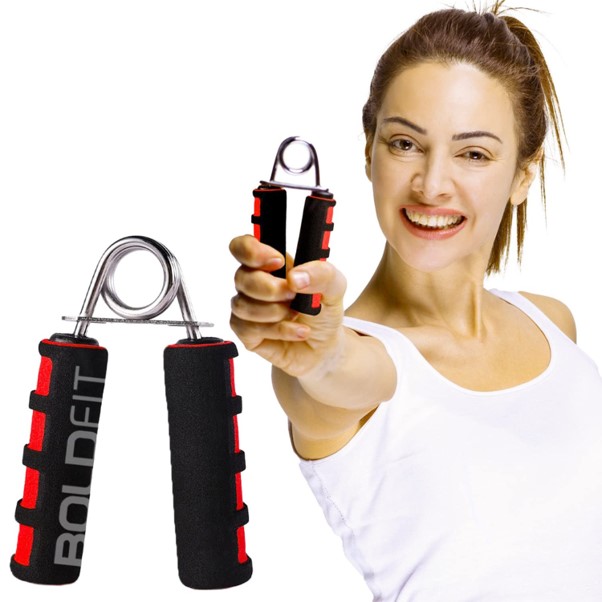
The market offers several options to choose from. Grip strengtheners, often called hand grippers, feature two handles you squeeze together against resistance. They’re brilliant for building overall grip strength. Finger exercisers, on the other hand, target individual fingers with separate buttons or rings. These are perfect for improving dexterity.
Stress balls and therapy putty provide gentler resistance, making them ideal for rehabilitation or those just starting out. Finger stretchers work in the opposite direction, strengthening the muscles that open your hand. Many people use a combination of these tools for a well-rounded hand workout.
How Do Hand Exercisers Work?
These devices work by providing resistance against your natural hand movements. When you squeeze a grip strengthener, you’re working against springs or elastic materials. This resistance forces your muscles to work harder than they would during normal activities.
Over time, this targeted workout strengthens the intrinsic muscles within your hands, plus the larger muscles in your forearms. The result? A stronger grip, better endurance, and improved fine motor control.
Who Should Use Hand Exercisers?
Hand exercisers aren’t just for gym enthusiasts. A wide range of people can benefit from regular hand training.
Athletes And Sports Enthusiasts
Rock climbers, tennis players, golfers, and weightlifters all rely heavily on grip strength. A stronger grip can improve your performance and reduce injury risk. Even cricket players and swimmers find that hand exercises enhance their game.
Office Workers And Those With Desk Jobs
Spending hours at a keyboard can lead to stiffness and repetitive strain. Regular hand exercises help counteract these effects by improving circulation and maintaining flexibility. Plus, a quick squeeze session at your desk is a great stress reliever!
Musicians And Artists
Guitarists, pianists, and artists require exceptional finger dexterity. Hand exercisers help maintain the fine motor control needed for intricate movements. They’re also useful for preventing fatigue during long practice sessions.
Rehabilitation And Injury Recovery
Physiotherapists frequently recommend hand exercisers for patients recovering from surgery, fractures, or conditions like carpal tunnel syndrome. They provide a controlled way to rebuild strength gradually and safely.
Benefits Of Using Hand Exercisers
The advantages of regular hand exercise extend far beyond just a stronger handshake.
Building Grip Strength
A powerful grip makes everyday tasks easier. Carrying groceries, opening bottles, and even driving become less taxing. For athletes, improved grip strength often translates directly to better performance.
Improving Finger Flexibility And Dexterity
Regular exercise keeps your finger joints mobile and responsive. This is particularly important as we age, helping maintain independence in daily activities.
Relieving Hand Pain And Stiffness
Many people find that hand exercises reduce discomfort from conditions like arthritis or repetitive strain. The movement promotes blood flow and helps keep joints lubricated.
Are Hand Exercisers Good For Arthritis?
Yes, they can be incredibly helpful! Low-resistance exercises help maintain joint mobility and reduce stiffness. However, it’s essential to start gently and consult your doctor or physiotherapist first. They can recommend the most suitable exercises for your specific condition.
How To Choose The Right Hand Exerciser For Your Needs
Selecting the right device makes a significant difference to your results.
Resistance Levels: Finding Your Starting Point
Hand exercisers come in various resistance levels, typically measured in kilograms or pounds. Beginners should start with lower resistance to avoid strain. You can always progress to higher levels as your strength improves.
Best Hand Exercisers For Beginners
If you’re new to hand training, consider starting with therapy putty or a soft stress ball. These provide gentle resistance and allow you to build strength gradually. Adjustable grip strengtheners are another excellent choice, as you can increase resistance over time.
What Hand Exerciser Do Physiotherapists Recommend?
Physiotherapists often suggest adjustable resistance exercisers because they accommodate different strength levels. Finger exercisers with individual resistance settings are also popular for targeted rehabilitation. When in doubt, ask your healthcare provider for personalised recommendations.
How To Use Hand Exercisers Correctly: Step-By-Step Techniques
Proper technique ensures you get the most benefit while avoiding injury.
Basic Grip Exercises
Hold your grip strengthener with your palm facing upward. Squeeze the handles together slowly, then release with control. Aim for 10-15 repetitions per set, completing 2-3 sets. Focus on smooth, controlled movements rather than speed.
Finger Extension Exercises
Place a finger stretcher around your fingers and thumb. Spread your fingers apart against the resistance, hold briefly, then relax. This exercise targets the often-neglected muscles that open your hand.
Thumb Strengthening Exercises
Your thumb deserves special attention since it’s responsible for much of your grip power. Use therapy putty to practice pinching motions or squeeze a small ball between your thumb and each finger in turn.
How Long Should You Use A Hand Exerciser Each Day?
Start with just 5-10 minutes daily and gradually increase as your endurance improves. Consistency matters more than duration. It’s better to exercise for a few minutes every day than to overdo it occasionally.
Hand Exerciser Workout Routines
Having a structured routine helps you stay consistent and track progress.
Quick 5-Minute Daily Routine
– 30 seconds of grip squeezes with each hand
– 30 seconds of finger extensions
– 30 seconds of individual finger presses
– 30 seconds of thumb pinches
– Repeat once
This simple routine fits easily into your morning coffee break or evening wind-down.
Advanced Strengthening Programme
For those seeking greater challenges:
– 3 sets of 15 grip squeezes at high resistance
– 2 sets of 20 finger extensions
– 3 sets of 10 thumb-to-finger pinches with putty
– 1-minute stress ball squeeze for endurance
Complete this routine 3-4 times weekly, allowing rest days for muscle recovery.
Common Mistakes To Avoid When Using Hand Exercisers
Even simple exercises can go wrong if you’re not careful.
Rushing through repetitions reduces effectiveness and increases injury risk. Always prioritise controlled movements over speed. Skipping the warm-up is another common error—a quick hand massage or gentle stretches prepare your muscles for work.
Can You Overuse A Hand Exerciser?
Absolutely! Overtraining can lead to muscle fatigue, strain, or even injury. Watch for warning signs like persistent pain, excessive fatigue, or decreased grip strength. If you experience these symptoms, take a break and reduce your intensity.
Do Hand Grippers Actually Work? What The Research Says
You might wonder whether these simple devices genuinely deliver results. The evidence suggests they do! Studies have shown that regular grip training improves both strength and endurance. Research published in various sports medicine journals confirms that hand exercisers effectively increase grip strength when used consistently.
What’s more, studies involving older adults demonstrate that grip exercises help maintain hand function and independence. For rehabilitation patients, hand exercisers have proven valuable in restoring strength after injury or surgery.
Stronger Hands, Better Quality Of Life
We’ve covered quite a bit of ground today, from understanding the different types of hand exercisers to mastering proper techniques. The key takeaways? Start with appropriate resistance, maintain consistent practice, and listen to your body’s signals.
Hand exercisers offer a simple yet powerful way to improve your daily life. Whether you’re aiming to boost athletic performance, recover from injury, or simply make everyday tasks easier, these tools can help you achieve your goals. The investment is minimal, but the rewards can be substantial.
So why not give it a go? Grab a hand exerciser, start with the basic routine we’ve outlined, and commit to just five minutes daily. Your hands work hard for you every single day—it’s time to return the favour. Here’s to stronger, healthier hands and a better quality of life!












+ There are no comments
Add yours