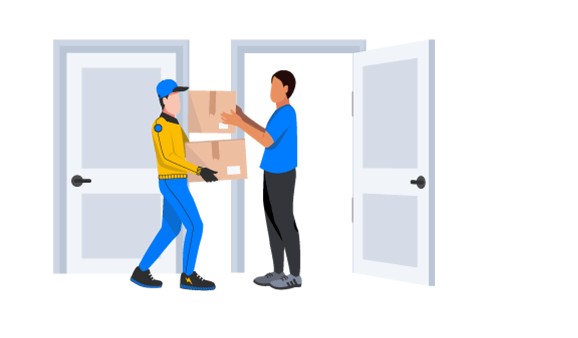
A dispatcher I used to talk to regularly put it this way once: half the confusion in freight comes down to people using the same words for different things. Drop and hook, live load, truck and drive, door-to-door shipping- everyone throws these around like they’re interchangeable, and they’re really not. So if you’re a shipper trying to figure out which method actually fits your freight, or a carrier trying to explain your process to a new customer, it’s worth slowing down and getting the terms straight first.
This is meant to be a practical rundown, not a textbook definition. What truck and drive actually means, how it compares to the alternatives, and when it makes sense to use over something else.
What Truck and Drive Means in Practice?
Truck and drive is about as literal as freight terminology gets. One driver picks up a loaded trailer, hooks it to the truck, and drives it all the way to the destination. No trailer swap along the route, no drop yard stop unless something forces a change of plan. Same driver, same trailer, from pickup to delivery.
It’s the backbone of most door to door shipping arrangements, honestly, because the whole appeal of door-to-door is that the freight moves directly without a bunch of handoffs in between. If a load’s getting swapped between trailers or sitting in a yard waiting for the next leg, it’s not really door to door anymore in the way most shippers mean when they ask for it.
How It’s Different from Drop and Hook
Drop and hook works differently. A driver drops off an empty trailer at a location and picks up a different one that’s already loaded, ready to go. It keeps trucks moving without waiting around for a live loading process, which is great for efficiency on high-volume routes.
The tradeoff is that drop and hook only really works if there’s a trailer pool available at the right spots. That’s fine for major distribution hubs with steady volume. It falls apart pretty quickly on smaller or less predictable routes where there’s nowhere near enough trailers sitting around to make the swap work.
Why Shippers Ask for Door to Door Specifically
When a shipper specifically requests door to door shipping, they’re usually after one of a few things. Sometimes it’s about reducing handling; fewer touches means fewer chances for damage, especially with anything fragile or high-value. Sometimes it’s about speed, cutting out the wait time that comes with trailer swaps or yard stops. And sometimes it’s just about accountability; one driver responsible for the whole trip means there’s no ambiguity about where something went wrong if it does.
Truck and Drive lines up with all three of those pretty naturally, since the structure itself avoids the handoffs that create those problems in the first place.
When Truck and Drive Makes the Most Sense
This method tends to work best in a few specific situations:
Time-sensitive freight. Perishables, medical supplies, and anything with a tight delivery window benefit from skipping the handoff risk entirely.
High-value or fragile loads. Fewer touches generally means less chance of something going wrong along the way.
Regional or less-traveled routes. If there’s no established trailer pool nearby, truck and drive avoids the coordination headache that drop and hook would require.
Smaller shippers without steady volume. Building and maintaining a trailer pool costs money. If the freight volume doesn’t justify it, truck and drive keeps things simpler without that overhead.
When Drop and Hook Is Probably the Better Call
It’s not that truck and drive is always the right answer. On high-volume routes between major hubs, where trailers are already staged and ready, drop and hook usually wins on raw speed and efficiency. Trucks spend less time sitting still, and drivers can keep moving instead of waiting through a full load or unload cycle.
If a shipper’s moving large, predictable volumes on a regular schedule, it’s worth asking a carrier whether drop and hook is available on that lane before defaulting to door-to-door pricing, which tends to run a bit higher given the dedicated driver time involved.
Questions Worth Asking Before Choosing a Method
For shippers trying to decide between the two, a few questions usually clarify things fast:
- Does the freight need to arrive within a tight window, or is there flexibility built in?
- Is the shipment fragile, high-value, or otherwise sensitive to extra handling?
- Does the destination or origin have an established trailer pool, or is it a less common route?
- Is cost or speed the bigger priority for this particular shipment?
Carriers should be asking similar questions from their side, since offering door to door cargo service on a route without the right setup usually ends up costing more than it’s worth, both in price and in driver time tied up on a single load.
Final Thoughts
Truck and drive isn’t a complicated concept once the terminology gets sorted out, but it’s easy to see why shippers and carriers talk past each other on it. Understanding what door to door car shipping actually requires- one driver, one trailer, no swaps in between- makes it a lot easier to figure out whether it’s the right fit for a given load, or whether a drop-and-hook setup would honestly serve everyone better.












+ There are no comments
Add yours